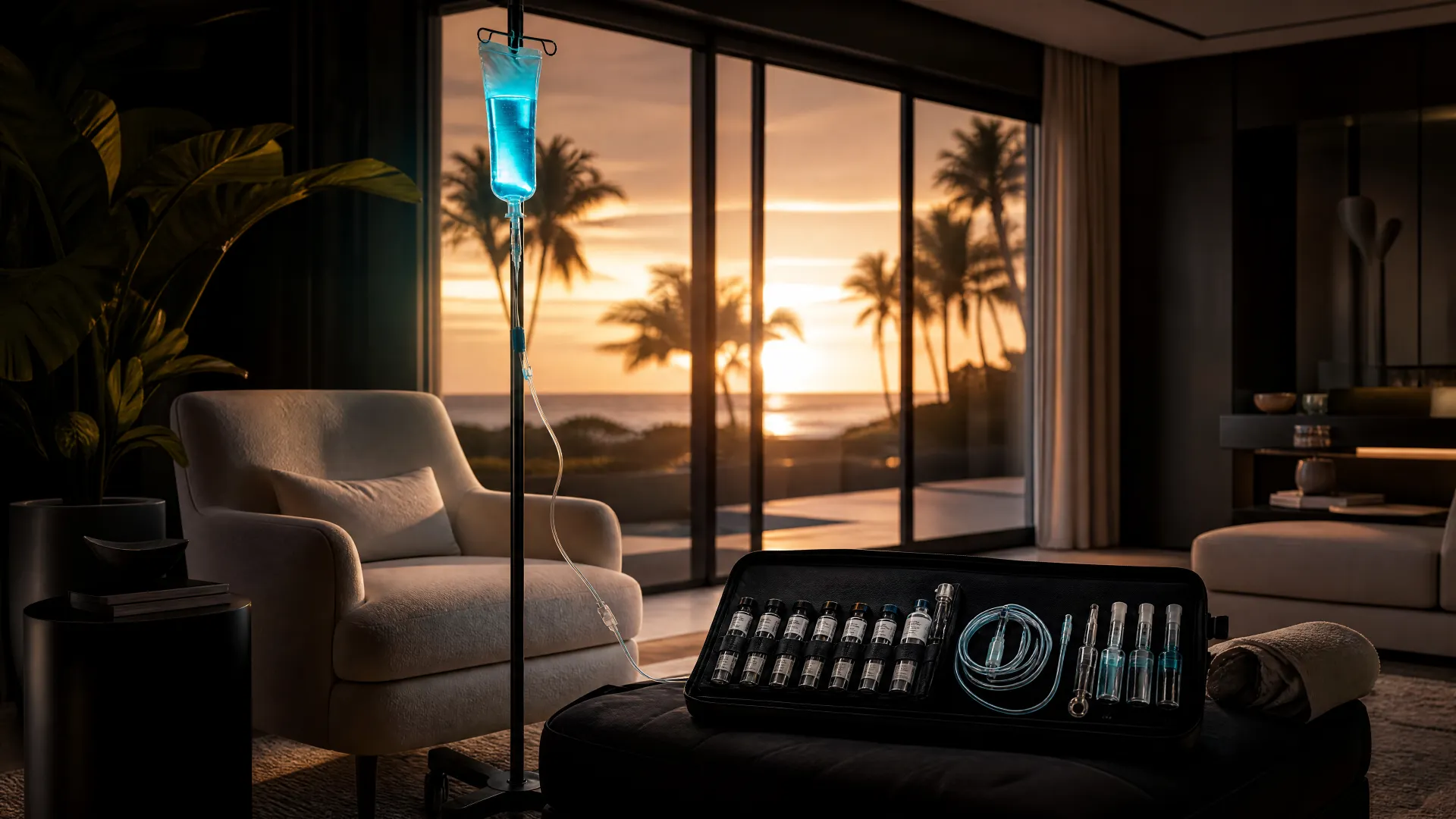
9:20 PM, March 28th, a CPA firm in Boca. An accountant we'll call Norm, 44, partner, is on hour eleven at a desk lit like a submarine, surrounded by the archaeology of busy season: seventeen coffee cups' rings, a client's gift basket harvested down to the mustard, and a monitor tan. His wife texts: "The kids asked if you still live here. I said legally yes." Norm smiles, types "18 more days," and returns to a depreciation schedule. Eighteen more days. He's said that since January — the number just keeps being re-filed with extensions.
The grind's specific physics
Busy season isn't trial week's sprint — it's the marathon version, and the chronic shape is what makes it dangerous: twelve consecutive weeks of 60–80 desk hours, powered by the specific pattern sleep science flags as worse than all-nighters — months of six-hour nights, which accumulate debt steadily without ever forcing the crash that repays it. Add near-zero sunlight (arrive dark, leave dark — the circadian system unanchored for a quarter), movement measured in steps-to-printer, caffeine promoted to food group, and the deadline cortisol that never fully powers down between filings. The result walks the halls of every firm in March: functional, dimmed, running on the edge of the cliff — which is why the office cold makes its traditional March tour through exactly the people who can least afford it.
The all-nighter announces its bill. The six-hour-night quarter compounds in silence and mails the whole invoice to April.
Micro-defenses for macro weeks
The in-season protocol has to survive contact with a 70-hour week, so it's built small: a sleep floor, held even in March — the marginal 11 PM hour of review is worth less than the sleep it costs, by the same cognitive math the litigators face, and reconciliation errors are their own kind of malpractice; ten minutes outside daily — sunlight is the cheapest circadian anchor there is, and the walk doubles as the day's entire movement budget honestly acknowledged; water on the desk, visible — submarine-lit offices run dry, and the 3 PM fog is often fluid; protein at lunch instead of the gift-basket graze that runs the spike-crash loop all afternoon; and one protected half-day per weekend — filed like a deadline, because it is one.
April 16th, done properly
The finish line deserves a plan, not just a collapse: sleep debt repays over weeks of consistent nights (the single 14-hour crash feels great and settles little), sunlight and movement reintroduced daily, and the quarter's depletion — twelve weeks of B-vitamin spend, chronic mild dehydration, stress chemistry — restocked deliberately. The county's smarter firms have quietly made a tradition of it: recovery sessions for the team in the week after the deadline — the office-wellness logic applied to the profession's hardest quarter. Extension season, after all, starts immediately.
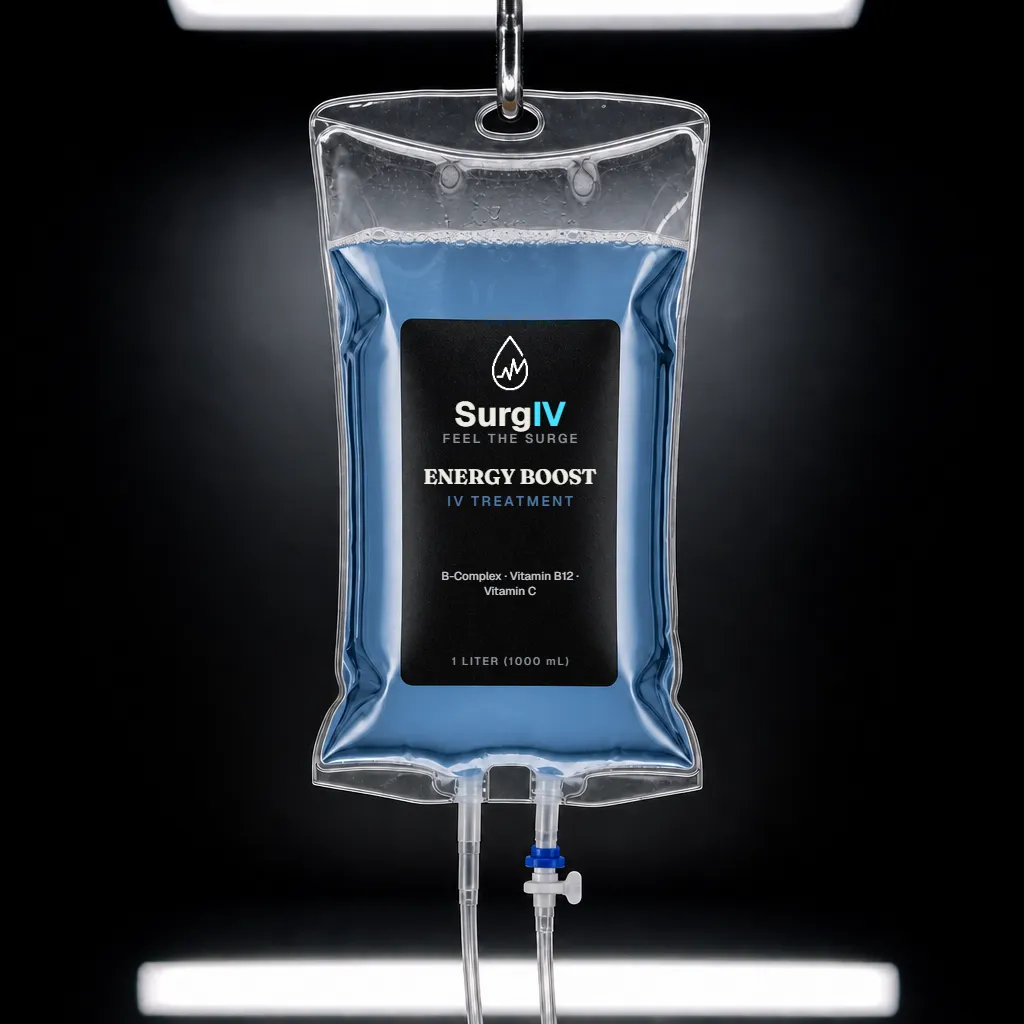
Busy-season infrastructure
Energy Boost $249
B vitamins and hydration, delivered to the office or the home you briefly visit.
B-Complex · Vitamin B12 · Vitamin C
Norm, April 16th
The firm booked the team session — Norm's idea, pitched as "depreciation recovery, non-deductible" — and he ran the repayment plan: consistent nights, daily walks, the drip, dinner attendance restored to legal residency. His summary at the partners' debrief, entered into the minutes: "We schedule the quarter to the hour and the recovery not at all. This year we filed both. Motion to make it standing." Carried, unanimously.
This article is for general education and is not medical advice. IV therapy at SurgIV is administered by registered nurses under physician-written protocols, with a health screening before your first visit. Talk to your doctor about what is right for you.