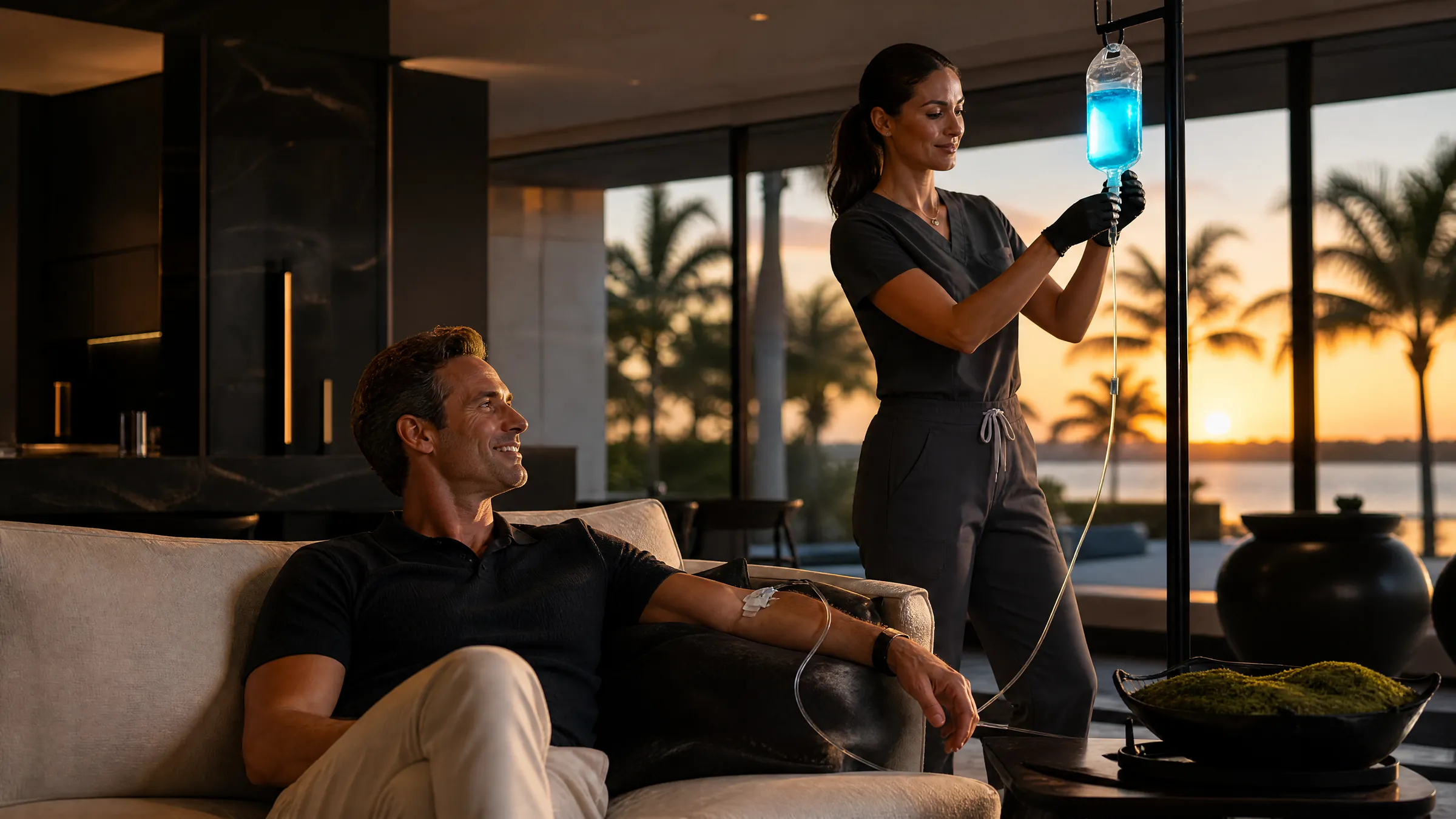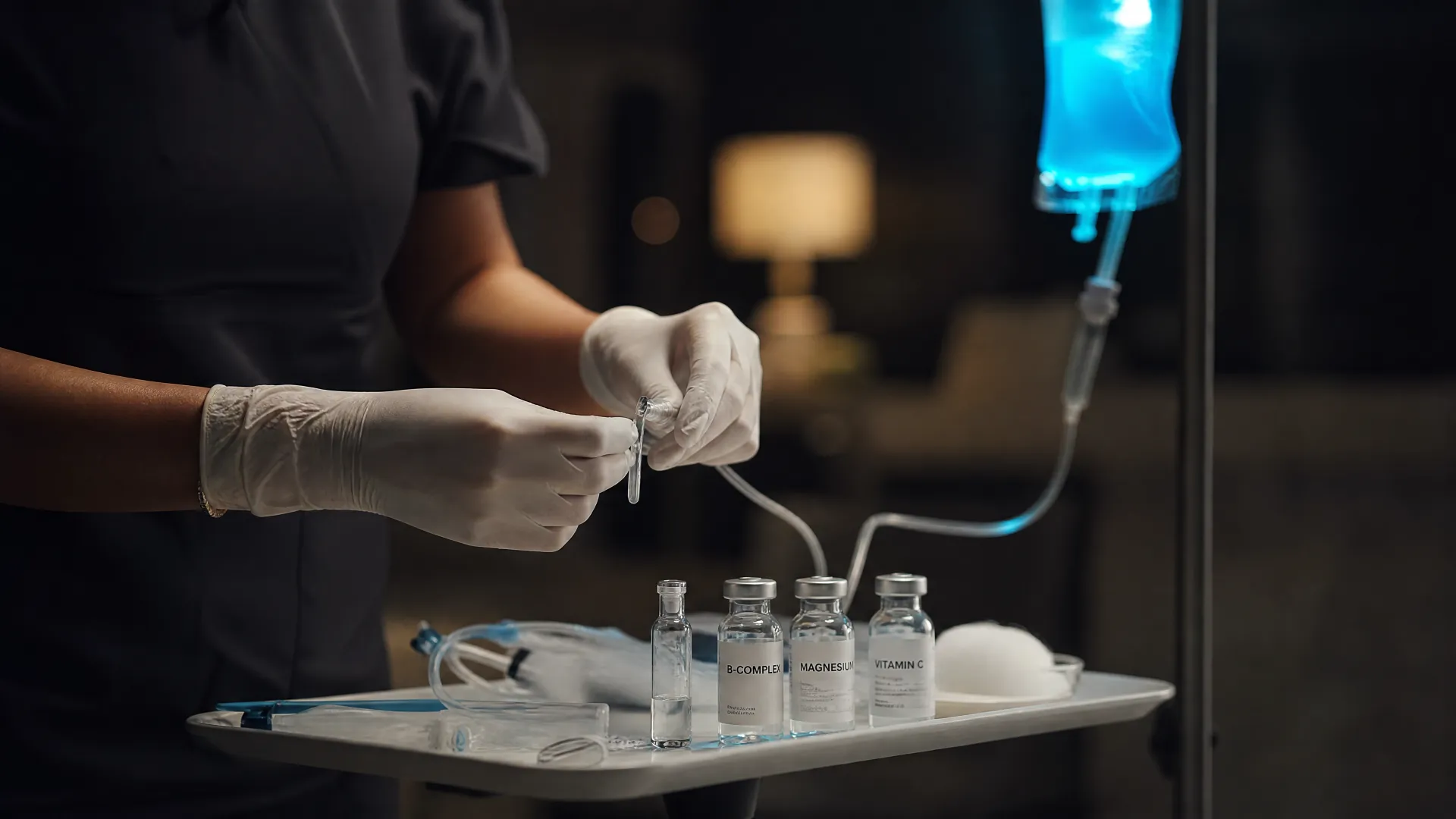
10:15 AM, a Whole Foods aisle in Palm Beach Gardens. A woman we'll call Alina — the vanity-audit Alina, now dangerously well-informed — is standing in front of a wall of products, counting how many use the word "antioxidant" on the front label. She gets to eleven before losing interest: a chocolate bar, three teas, a face serum, a juice, a dog treat. A dog treat. She turns to a shelf-stocking employee and asks, sincerely and not unkindly: "Do you know what that word means? Because I've bought it for fifteen years and I genuinely couldn't tell you." He does not. Nobody in the aisle does. Here it is.
The chemistry, in plain English
A free radical is a molecule with an unpaired electron, and unpaired electrons make molecules desperate: they grab electrons from whatever's nearby — cell membranes, proteins, DNA — leaving damage behind. Your body makes them constantly and unavoidably, because using oxygen to produce energy generates them as exhaust (the mitochondria sit right next to their own emissions), and external sources add more: UV, pollution, smoking, alcohol, intense exercise. An antioxidant is simply a molecule that can donate an electron to neutralize a radical without itself becoming dangerously reactive — chemical bomb disposal. Your body manufactures its own crew, led by glutathione, and imports more from food: vitamins C and E, the polyphenols in that chocolate bar and those three teas. That's the whole concept, and it's genuinely elegant — which is why the marketing department annexed it.
Free radicals aren't villains and antioxidants aren't heroes. It's a balance your body has run competently for your entire life — the word on the label just sells better as a war.
Why more isn't better
Here's the head fake the aisle will never print: free radicals do useful work. They're signaling molecules — immune cells deploy them deliberately as weapons, and, critically for anyone who trains, exercise-induced oxidative stress is part of how adaptation gets signaled. Studies have found high-dose antioxidant supplementation can blunt some training adaptations, and the big megadose trials have generally failed to deliver the benefits everyone expected — some raising concerns rather than settling them. The system is a thermostat, not a battlefield: blitzing it is as likely to jam the signal as to help. Balance beats blitz, and "more antioxidants" was never the goal — appropriate antioxidant capacity was.
What that leaves worth doing
The defensible version: eat the colorful plants (the polyphenol crowd, at food doses, in the matrix they evolved in), don't smoke, moderate the alcohol (a major radical source), sleep — because your endogenous crew rebuilds overnight. And where supplementation earns its place, it's targeted, not blanket: specific molecules with genuine absorption problems, delivered where they'll actually arrive — glutathione, which pills famously fail to deliver, and clinical-dose vitamin C, used episodically for oxidative-stress and skin goals. A supported system — not a scorched-earth campaign against your own signaling.
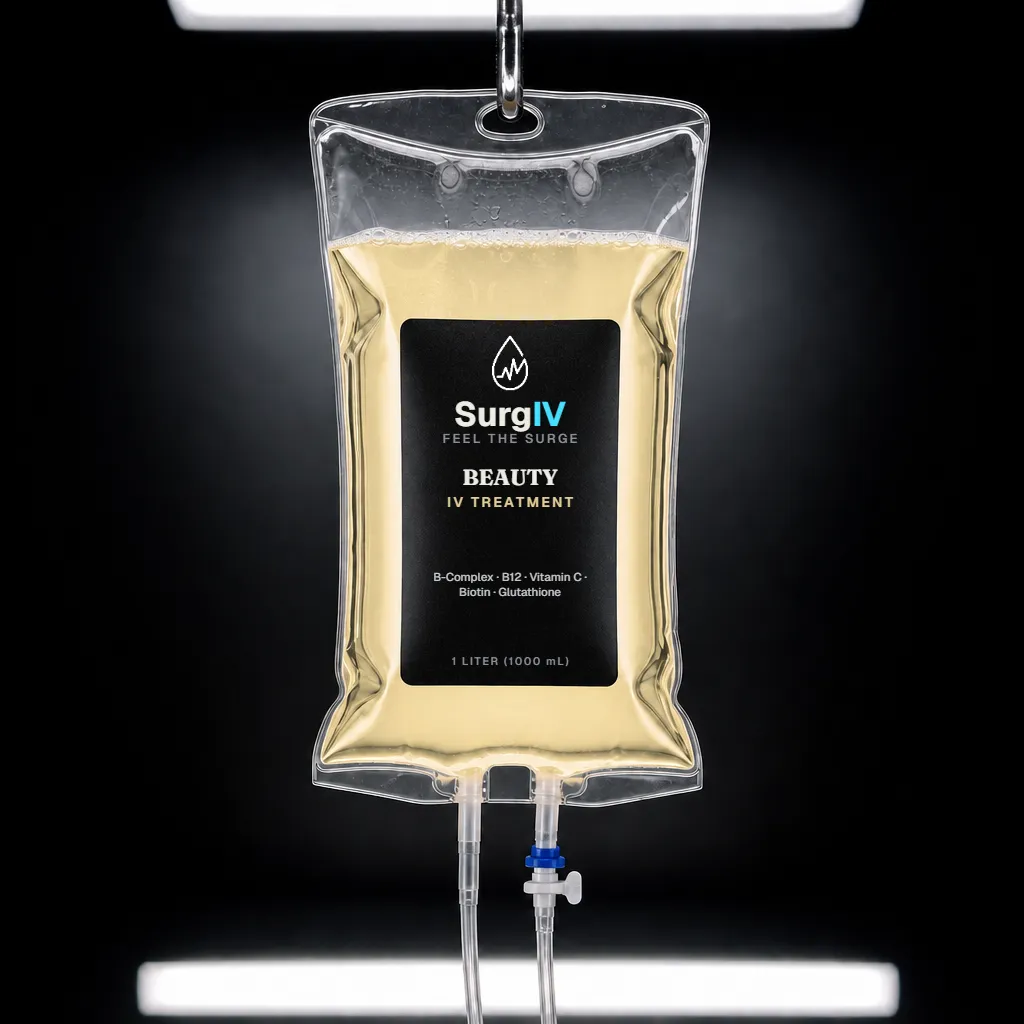
The real ones, delivered
Beauty $299
Glutathione and vitamin C at clinical dose — not a marketing adjective.
B-Complex · B12 · Vitamin C · Biotin · Glutathione
Alina, aisle fluent
She bought the chocolate (for chocolate reasons, declared honestly) and skipped the other nine. Her summary, delivered to the shelf-stocker who had by then become invested: "It means 'this donates an electron.' That's it. Half this aisle is charging a premium for basic chemistry — and the one product that actually needed help getting in doesn't come in a bottle at all."
This article is for general education and is not medical advice. IV therapy at SurgIV is administered by registered nurses under physician-written protocols, with a health screening before your first visit. Talk to your doctor about what is right for you.