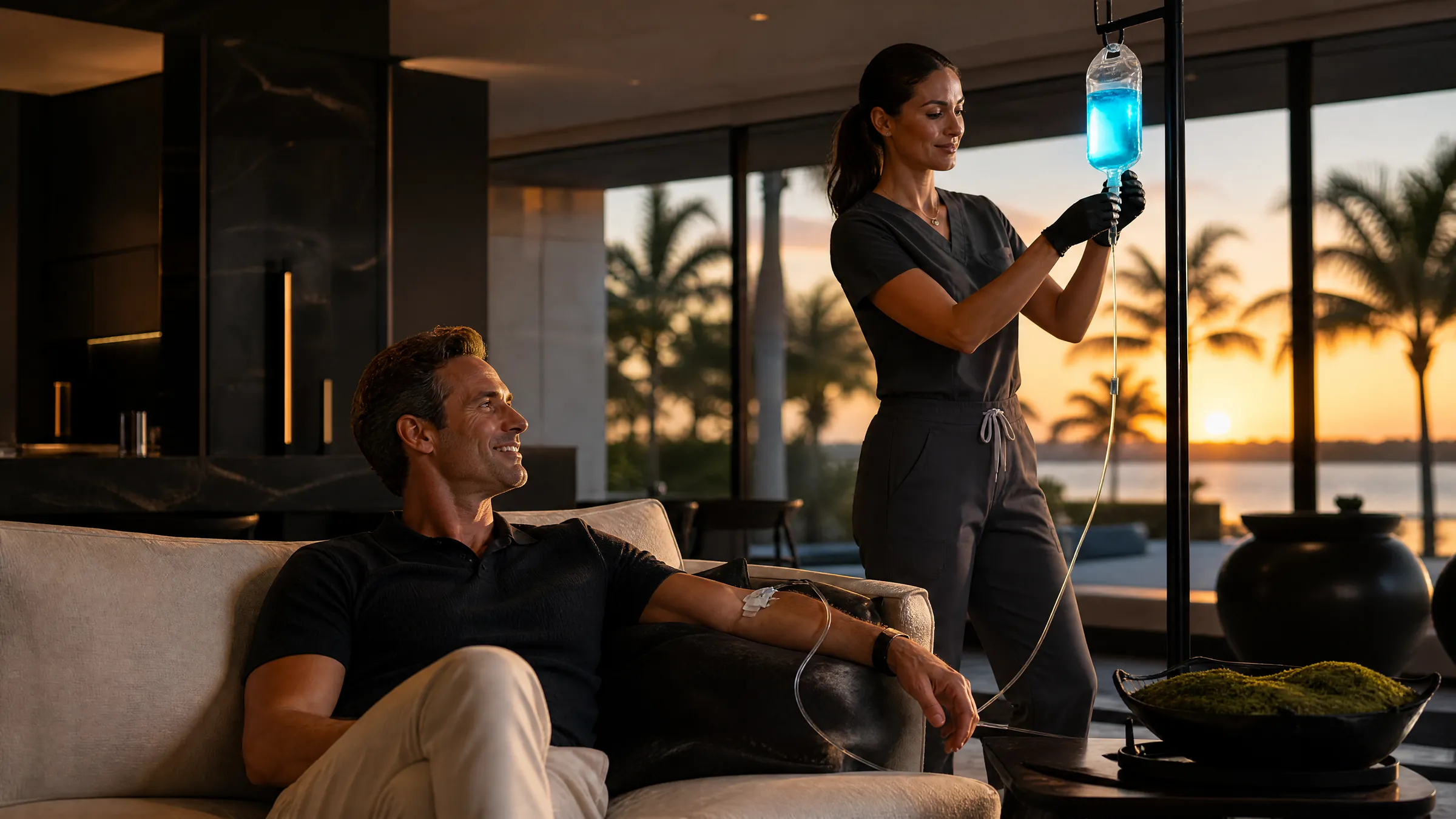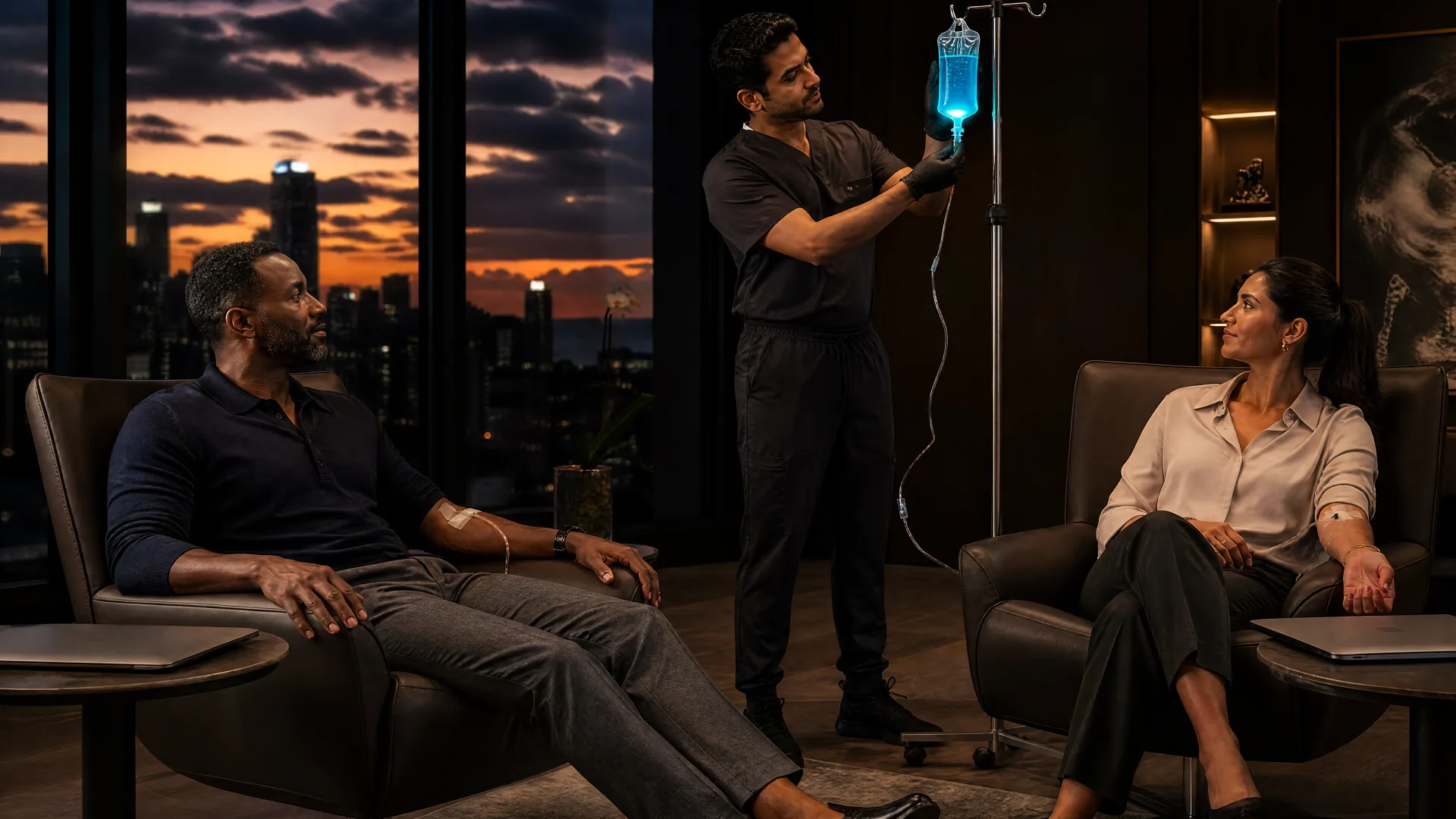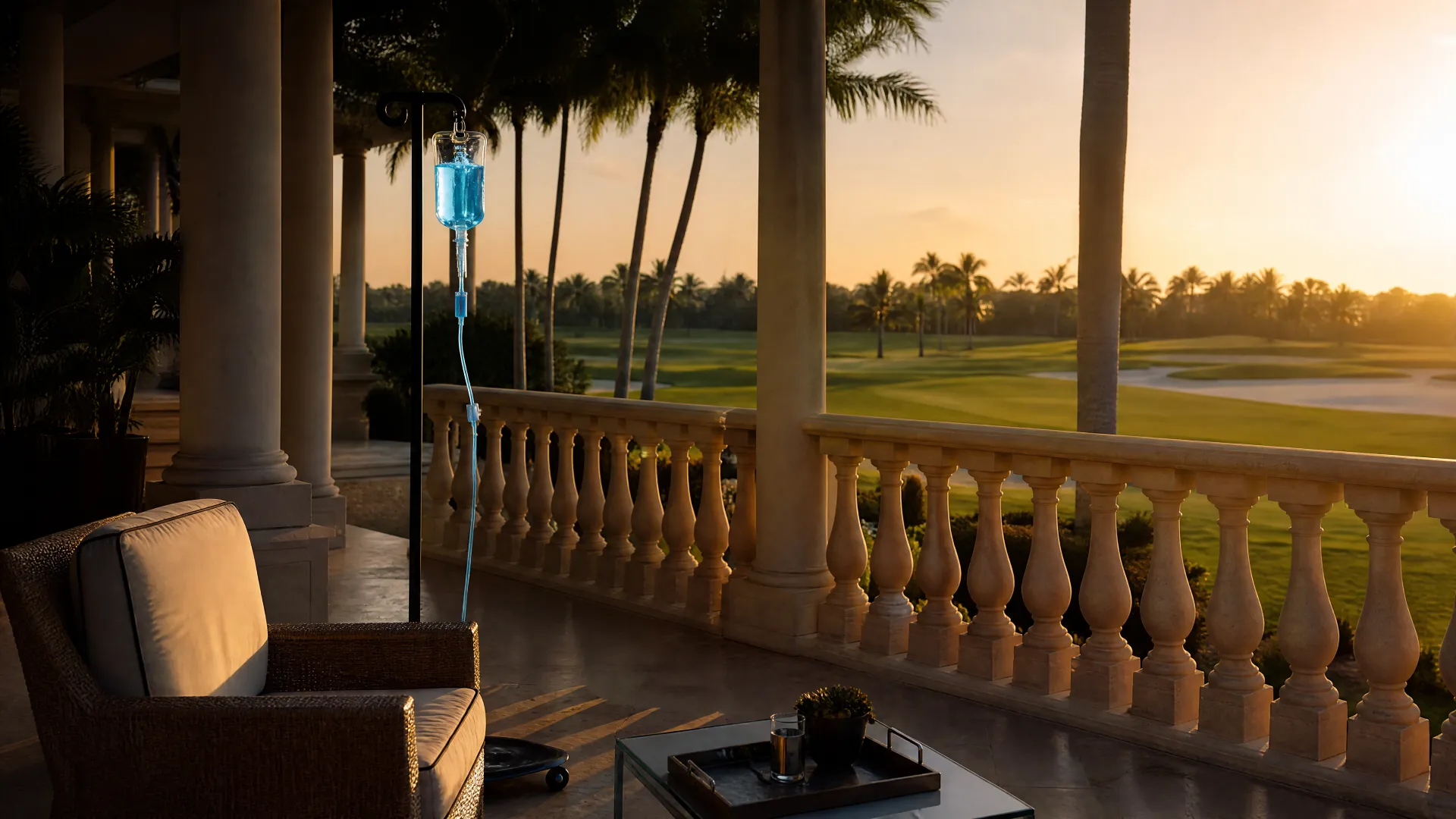
A membership director we'll call Patricia — twenty years at one of the county's better-known clubs, survivor of three renovations and one memorable pickleball-court civil war — has a phrase for the industry's amenity treadmill: "the arms race." Club A adds a golf simulator; Club B answers with a spa wing; Club C escalates to a wellness center nobody staffs properly. "Everyone's building rooms," she told us over coffee, in the meeting that started her club's program. "Nobody's asking what members actually do on a Tuesday. You know what they do? They're tired from the weekend. That's the amenity gap. Somebody should service the tiredness."
The case Patricia made to her board
Her argument, which we've since watched work at other clubs: the membership's actual wellness behavior had outgrown the amenity map. The golf core was booking recovery sessions privately after tournament weekends. The pickleball population — the club's fastest-growing and sorest segment — was comparing notes on mobile IV services in the group chat. The 55+ cohort was driving to a strip-mall drip bar and hating it. Demand existed; it was simply being met off-property. The club's opportunity wasn't to build anything — it was to host what members already wanted, at club standards, on club calendar.
"Everyone's building rooms. Nobody's servicing the tiredness." — Patricia, solving the amenity arms race in one sentence
The program that resulted
The structure — now the template we propose everywhere: the monthly wellness day (biweekly in season) — nurses on-site in a spa treatment room, members booking through the club's own reservation system like a massage, individually screened, member rates. The club's operational load: a room and a calendar listing. The clinical operation — staffing, protocols, insurance, supplies — entirely ours, which is the sentence that closes every GM conversation. Programming grew organically from there: the post-member-guest recovery block (via the tournament playbook), a pickleball-league partnership, and the seasonal arrival-reset week in October that Patricia now markets to returning members like a homecoming.
What the sign-up sheets taught everyone
The demand pattern surprised even Patricia: the golf core booked as predicted, the 55+ cohort adopted the monthly Myers' as routine ("it's their standing Tuesday — they book with the same friends, it's bridge with a drip"), but the growth segment was the social membership — treating wellness days as programming, booking in pairs, turning the treatment room's waiting chairs into a scene. Which reframed the whole initiative for the board: not a health amenity that some members use, but member engagement programming that happens to be clinical. Retention language. Budget-committee language. The arms race, exited sideways.
The partnership model
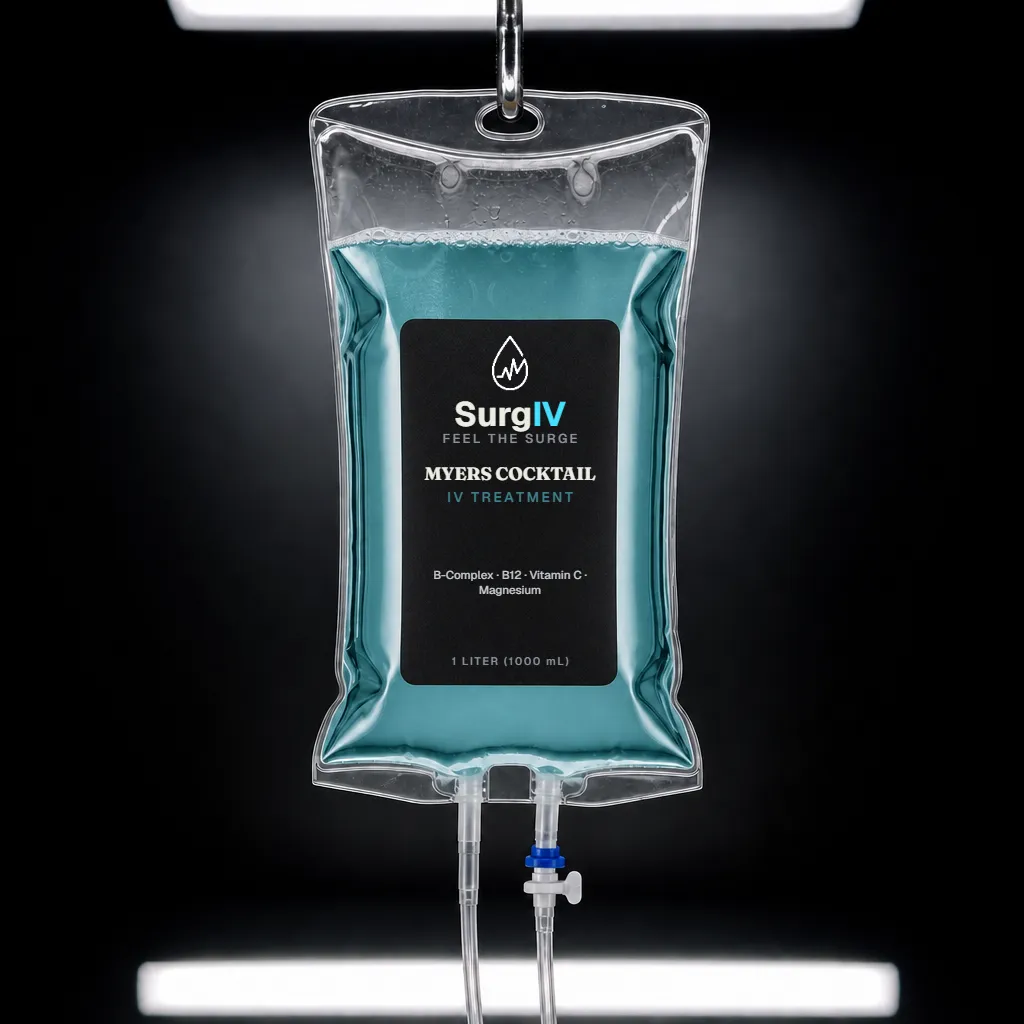
Myers Cocktail $249
Monthly wellness days at the club, priority member access, zero operational load — the modern amenity.
B-Complex · B12 · Vitamin C · Magnesium
Patricia's metric
Asked by her board for the program's KPI after year one, Patricia skipped the utilization numbers (strong) and the survey scores (stronger) and gave them the metric she actually watches: "Two families cited it in their joining decision, and one comparison club has called me asking how it works. In this business, that's the whole scoreboard." The rooms are built, directors. Service the tiredness.
This article is for general education and is not medical advice. IV therapy at SurgIV is administered by registered nurses under physician-written protocols, with a health screening before your first visit. Talk to your doctor about what is right for you.