Sunday, 4:15 PM, a minivan heading south on the Turnpike somewhere past Yeehaw Junction. In the back: two children asleep mid-churro, surrounded by mouse-ear merchandise. In the front: two adults we'll call Kevin and Amber, communicating in the thousand-yard nods of returning expedition members. The trip — three parks, four days — was, per the family group chat, "MAGICAL." Kevin's watch tells the other story: 87,000 steps. Four nights averaging five hours. And a Monday that starts in fourteen hours. Amber breaks the silence with the sentence every Florida parent has said on this exact stretch of highway: "I need a vacation."
The magic's invoice
Disney is genuinely wonderful and genuinely one of the most physically demanding vacations sold to the public — a fact the brochures manage not to mention. The parental ledger, itemized:
- The mileage. 18,000–25,000 steps a day on concrete — three days of Disney is more walking than most training plans schedule in a week, performed in the state's signature heat, largely while standing in queues that add hours of static load.
- The pack-mule economy. Someone carries the backpack, the water, the souvenirs, and — by 8 PM — a child. That someone is reading this article. The load rotation runs 30+ pounds for hours, and it never once counts as a workout.
- The sleep structure. Rope-drop alarms at 6:30 after fireworks that end at 10 and a hotel room where four people share the acoustic experience of one snoring toddler. Four nights of five-hour fragments — a newborn-tier schedule with more cardio.
- The decision marathon. Genie+ strategy, lunch logistics, meltdown triage, queue diplomacy — hours of executive function that drain the same B-vitamin and cortisol budget as a brutal work week. The kids ran on wonder; you ran on planning.
The kids remember the castle. Your body remembers the 87,000 steps it took to orbit it.
The re-entry (and the trip-veteran moves for next time)
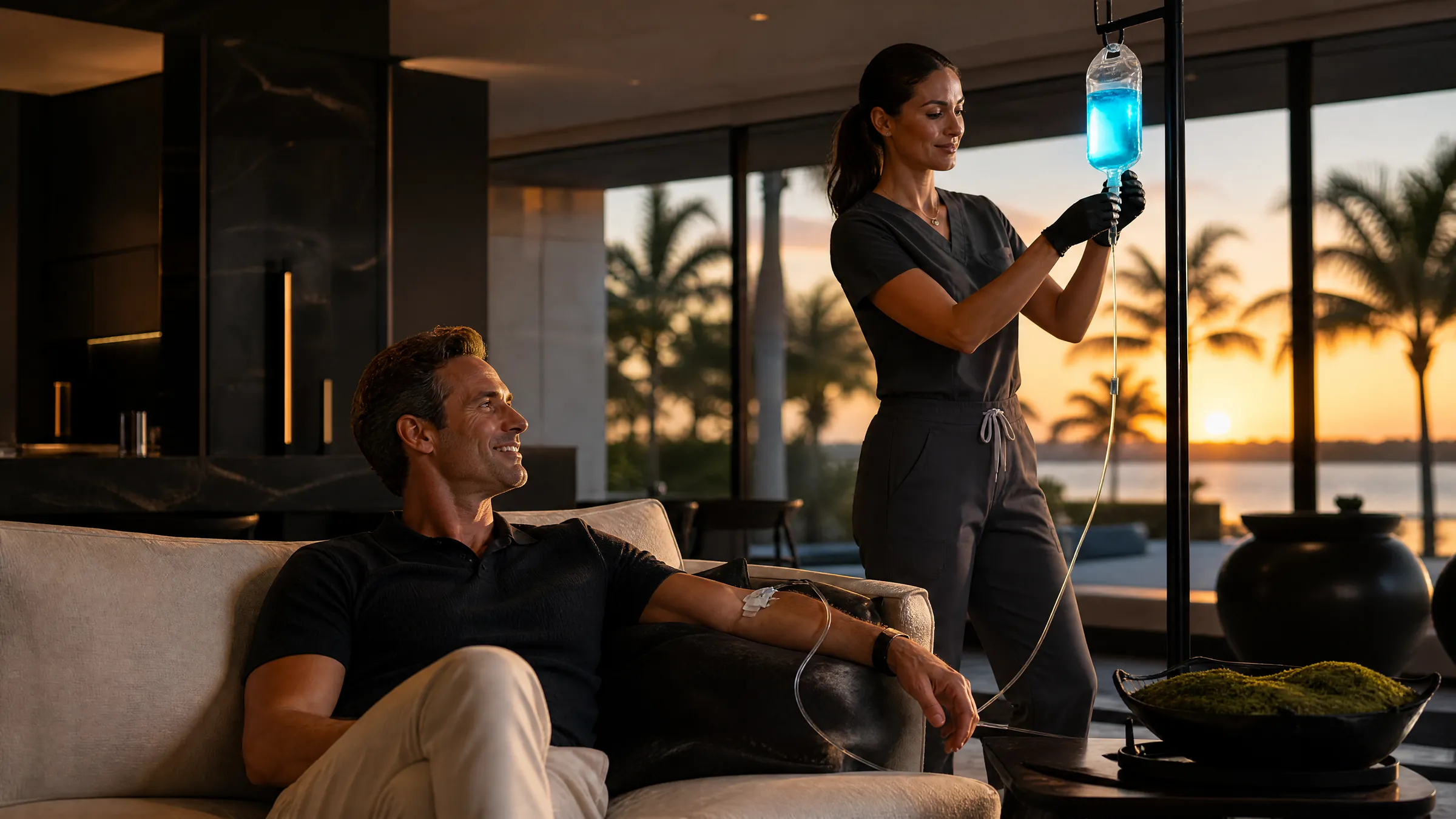
Home again: the standard re-entry protocol, parent edition — aggressive rehydration Sunday night (the queue-heat deficit is real and multi-day), a grocery run before school lunches demand it, kids to bed early and parents shortly after, dignity optional. Then the move our parent members consider the actual souvenir: the Energy Boost IV in Monday's first quiet window — hydration for the deficit, B12 and B-complex for the sleep debt and decision marathon — booked as a couple's back-to-back, on the couch, in silence, which several have described as "the real vacation." For next time: the veteran kit — refillable bottles (free ice water at any quick-service counter; the park's best hydration secret), electrolyte packets in the day bag, the midday pool retreat during peak heat, and the stroller, used shamelessly, because the 9 PM carry is the trip's heaviest lift.
The parent's re-entry
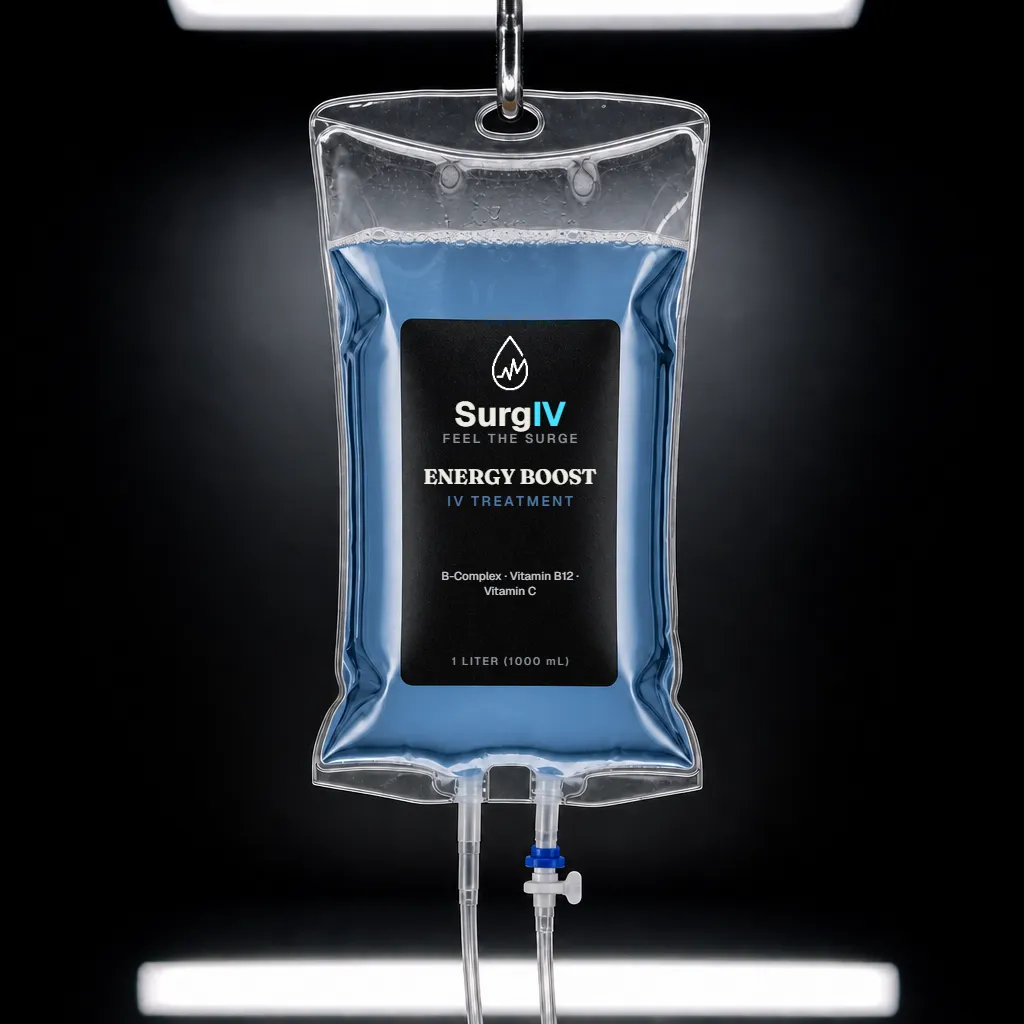
Energy Boost $249
Hydration and B vitamins for the adults who carried the trip — and the backpack, and the toddler.
B-Complex · Vitamin B12 · Vitamin C
Kevin and Amber, Monday noon
Double session, 11 AM, house silent, mouse ears on the counter. Amber's review — sent with a photo of two drip poles and two closed-eyed adults — is the genre's definitive text: "Four days making magic for small people. One hour of someone taking care of the staff. Fair trade." The magic is worth it. The staff deserves maintenance. Book both.
This article is for general education and is not medical advice. IV therapy at SurgIV is administered by registered nurses under physician-written protocols, with a health screening before your first visit. Talk to your doctor about what is right for you.