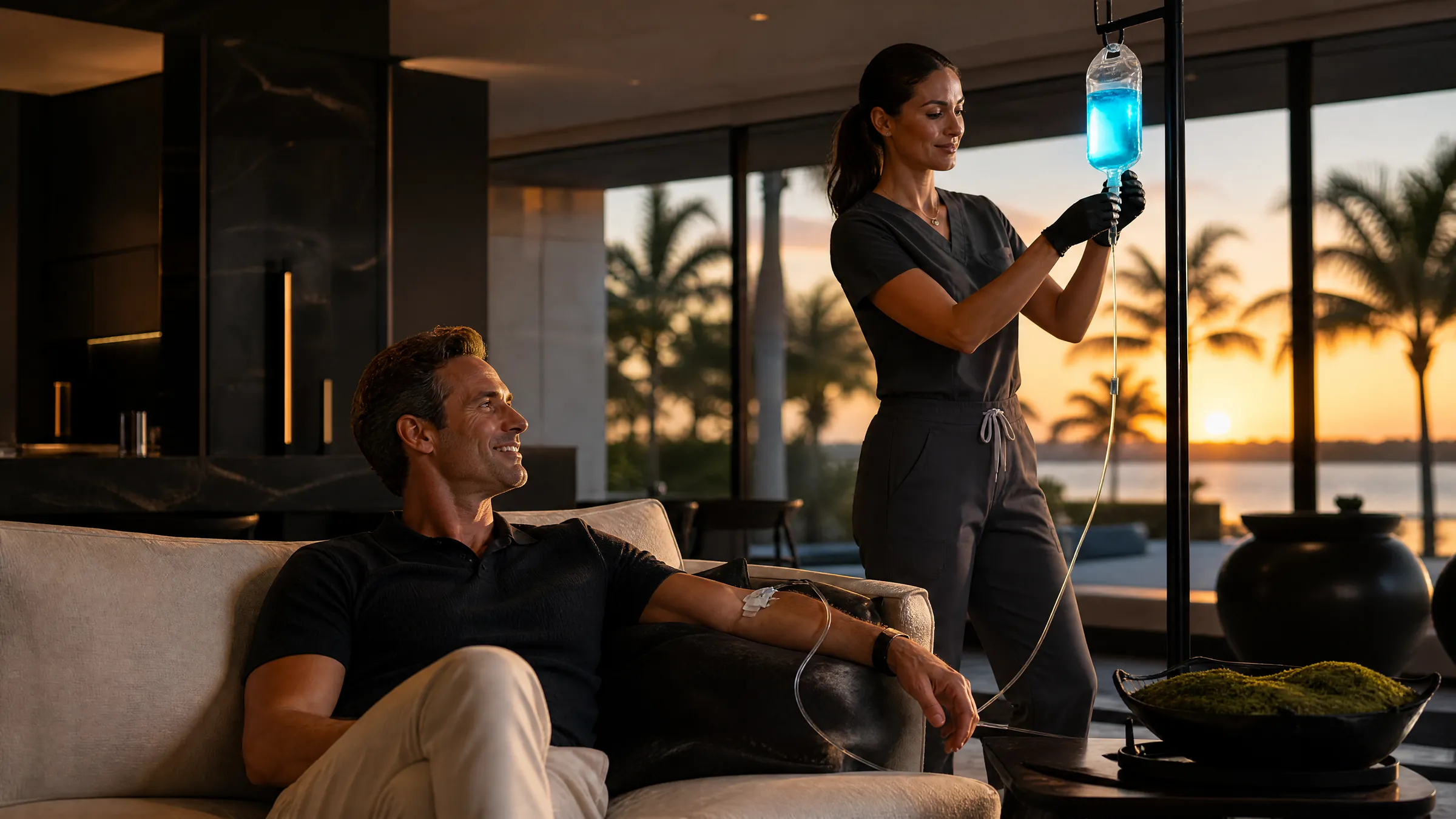
1:15 AM, a spare-bedroom office in Delray, eleven months post-launch. A founder we'll call Sam, 34, is rewriting onboarding copy nobody asked for, because the investor update is done and stopping means thinking. Sam's metrics: MRR growing 11% monthly. Sam's other metrics: sleeping five hours, chest doing a tight thing during pitch calls, hasn't surfed since March despite living eight minutes from the break, and last week described the company as "we" and himself as "it" in the same sentence without noticing. Sam's co-founder is a Slack workspace. Sam's HR department is nobody. Sam's boss — the only person positioned to say go home — is Sam.
Why the founder version hits harder
Corporate burnout has witnesses. Founder burnout is structurally unobserved: no boss to flag the decline, no HR to intervene, no annual review where someone reads the fatigue off your face. Add the second structure, the one the psychology literature calls identity fusion: the company is the self — so the body's distress signals get read as company problems and answered with the only tool founders trust, more work. And the third: genuine key-person risk — the fear that resting collapses everything, which is occasionally true enough to keep the trap perfectly closed. The result is the burnout arc running without any of the guardrails, in a culture that celebrates the symptoms: the sleep-deprivation flex, the no-days-off posting, the grind as personality. Sam's 1 AM copy-editing isn't dedication. It's the arc, mid-flight.
Every system Sam built has redundancy except the one all of them run on. The founder is the single point of failure, treated as the only component that never needs maintenance.
The signs founders only see in hindsight
Collected from the ones who came back: physical symptoms filed under "the grind" — the chest tightness, the 3 AM waking, appetite gone strange; every conversation becoming the company (ask Sam about surfing; receive a CAC analysis); interest in everything else quietly zeroing out; and the tell most reported in retrospect — decisions turning slower and more reckless at the same time, the signature of decision fatigue compounding into judgment debt. And the hard boundary, stated without softening: chest pain, panic attacks, persistent hopelessness, or thoughts of self-harm are physician-and-therapist territory, promptly — the ecosystem undercounts how many founders it loses on this hill, and no runway justifies skipping that appointment.
Recovery without resignation
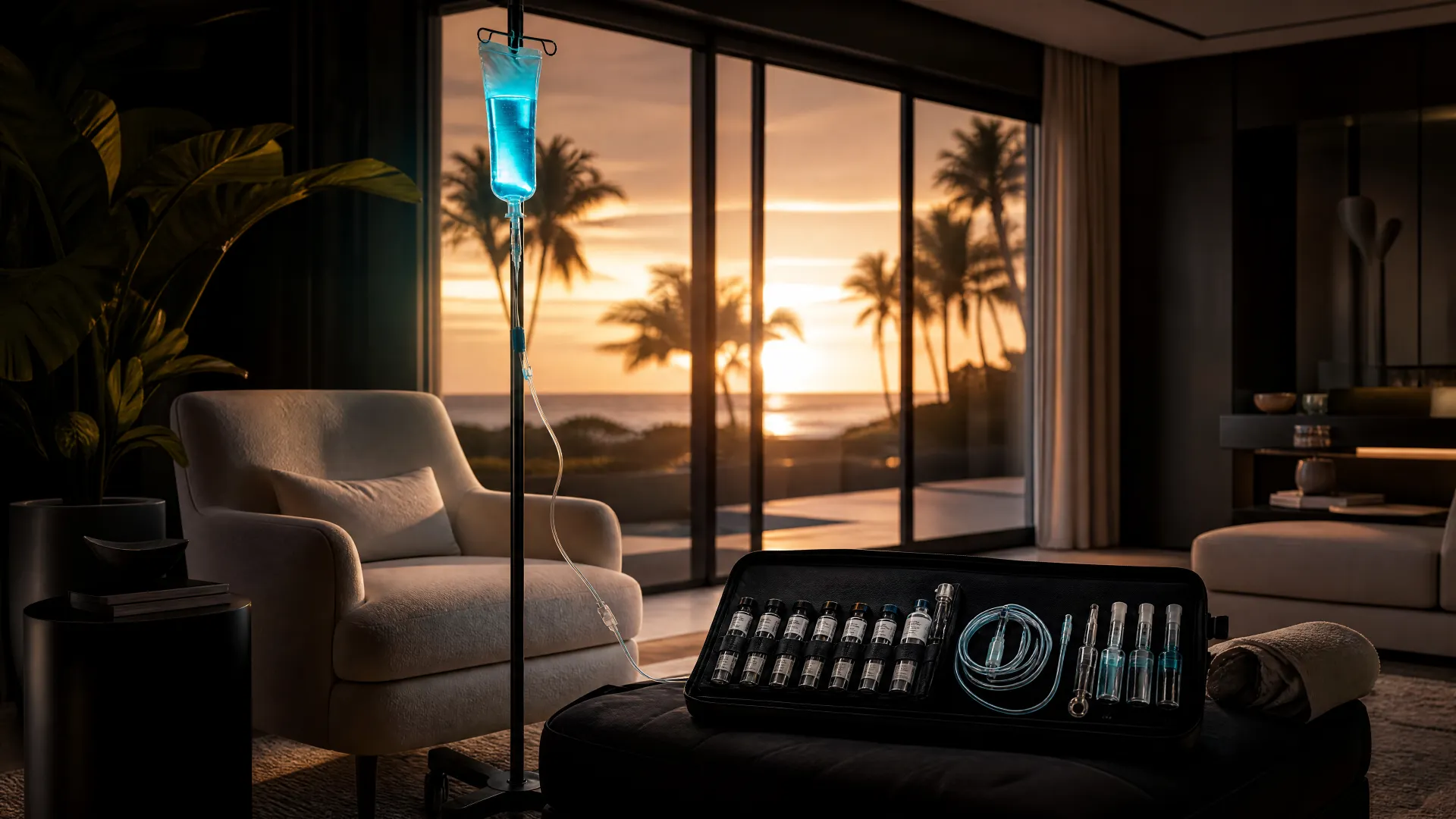
The restructure targets the founder's physiology, not the cap table: a hard sleep floor — the single highest-ROI change any founder makes, and the one the identity resists most; delegate one real domain — not for the time saved but for the practiced proof that the company survives it; off-hours defended like investor meetings, because they are one — a meeting with the asset everything runs on; the physical restoration layer for eleven months of accumulated spend — the depletion audit, then the restock: hydration, B vitamins, minerals, the full-panel session that founders — allergic to time away — tend to like precisely because it happens on the couch, during a working afternoon, while the laptop stays open. Maintenance for the single point of failure. The most defensible line item in the burn rate.
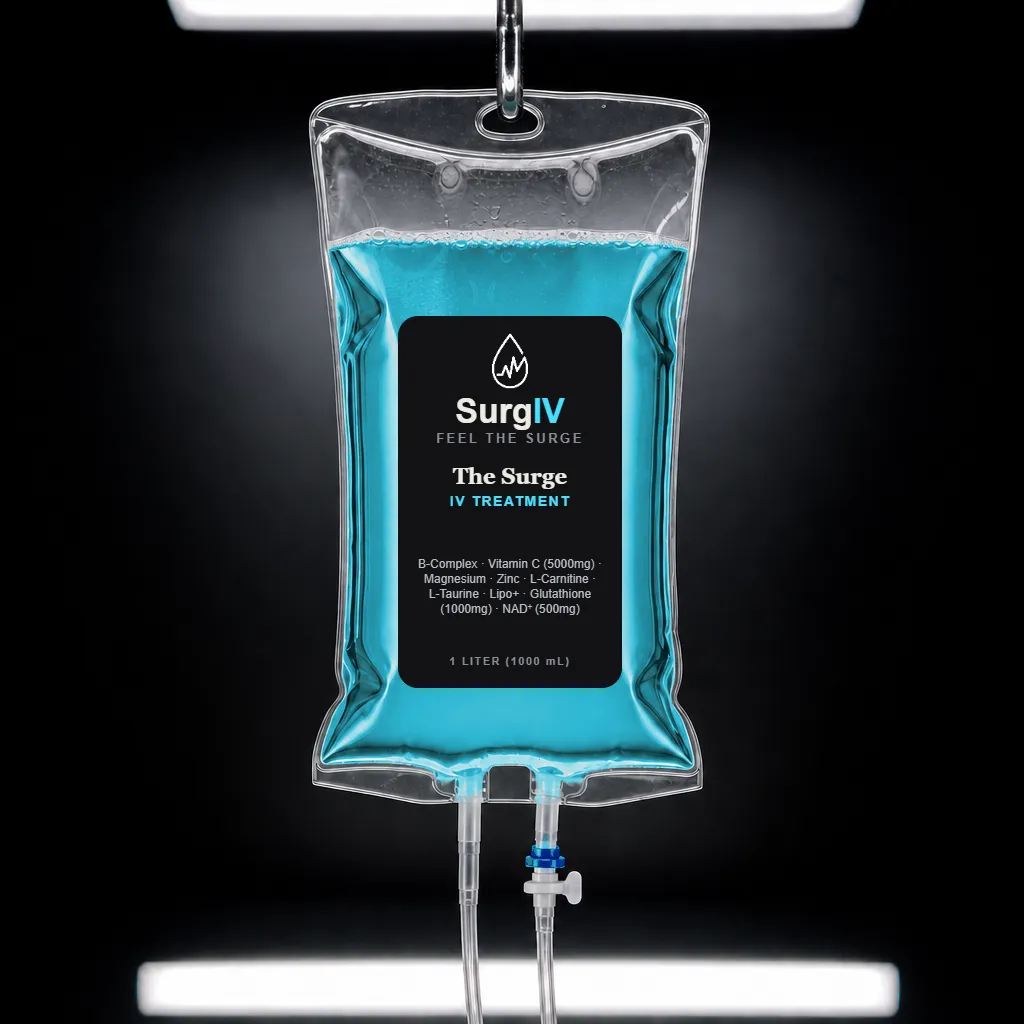
Founder infrastructure
The Surge $899
The recovery layer for the person the whole thing runs on.
IV Bag: B-Complex · Vitamin C (5000mg) · Zinc · Magnesium · L-Carnitine · L-Taurine · Lipo+ + more
Sam, month fourteen
The floor got set (six hours, then seven), support hired for onboarding ("the company survived; personally offended, but it survived"), Saturday mornings returned to the break, monthly drip standing. MRR: still growing — faster, Sam grudgingly admits, since the judgment came back online. The new investor update's closing line, which three founders have since stolen: "Key-person risk: identified. Mitigation: sleep, delegation, maintenance. Status: de-risking."
This article is for general education and is not medical advice. IV therapy at SurgIV is administered by registered nurses under physician-written protocols, with a health screening before your first visit. Talk to your doctor about what is right for you.