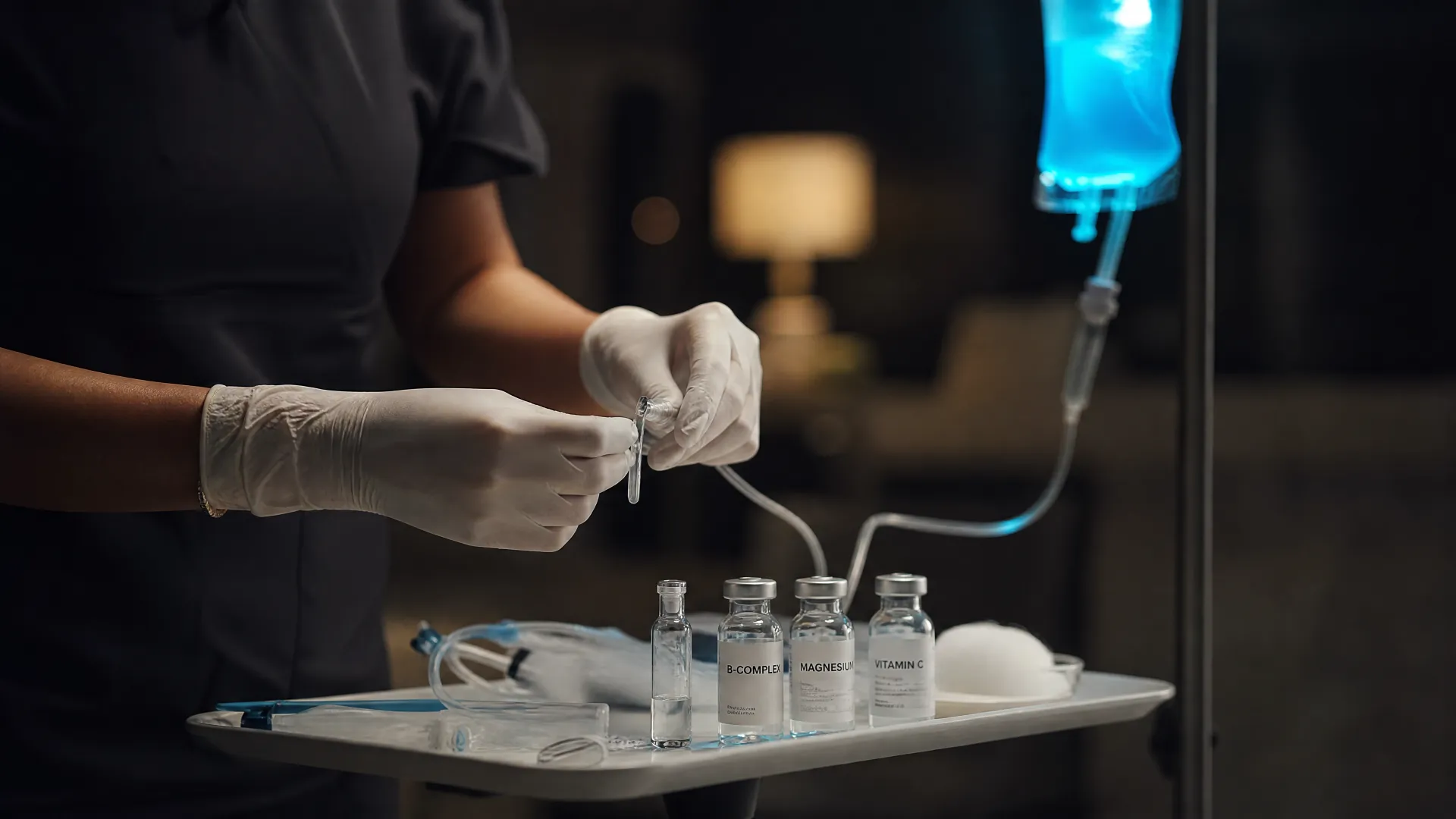
Here's a sentence that reorganizes how anyone thinks about the bag hanging beside their couch: the first recorded attempt to put a substance into a vein on purpose involved a goose quill, a pig's bladder, and the architect of St. Paul's Cathedral. Christopher Wren — better known for domes — spent part of the 1650s injecting wine and opium into dogs' veins with borrowed hardware, because a few curious men in Oxford had a suspicion: what if you could skip the stomach entirely? They were four centuries early on the safety and dead right on the concept.
The two-hundred-year false start
Wren's experiments led exactly where you'd expect: human attempts followed within years, and they went horribly. Nobody understood sterility, blood types, or what a solution should even contain — early transfusions used animal blood, occasionally with fatal results, and the practice was banned in several countries. The idea sat mostly dormant for two centuries, filed under "brilliant, lethal." Which is worth remembering next time a wellness site treats IV therapy as a modern invention: the concept is 370 years old; the safety is the recent part.
The idea arrived in the 1650s. The ability to do it without killing you took until roughly the 1930s. Everything in between is the actual story of medicine.
Cholera: the accidental proof
The breakthrough came from catastrophe. In the 1830s cholera epidemics, patients were dying of one thing above all — catastrophic dehydration — and a Scottish physician named Thomas Latta tried something desperate: injecting a saline solution directly into their veins. Some patients, hours from death, sat up. It was the first real demonstration that replacing lost fluid intravenously saves lives — the exact principle behind every bag of fluids hung since, including the one delivered to a Palm Beach living room this afternoon. Latta's solutions were crude, his technique unsterile, his results wildly inconsistent — germ theory hadn't arrived — but the mechanism was proven.
War, sterility, and the road to routine
The twentieth century did the engineering. Germ theory and sterile technique made infusion survivable; the World Wars made it essential — battlefield medicine drove blood transfusion, plasma, and fluid resuscitation from experiment to necessity at enormous scale; and mid-century manufacturing delivered the unglamorous hero of the whole story: sterile, disposable equipment. By the 1950s and 60s, an IV bag was ordinary hospital furniture. And it's here that the wellness branch splits off: Dr. John Myers, a Baltimore physician, began treating patients with a vitamin-and-mineral infusion — the formula that, after his death, Dr. Alan Gaby documented and named. The Myers' Cocktail is the direct ancestor of essentially every wellness menu operating today, including ours. The banana bag arrived from the hospital side of the family; the two have been intermarrying on drip menus ever since.
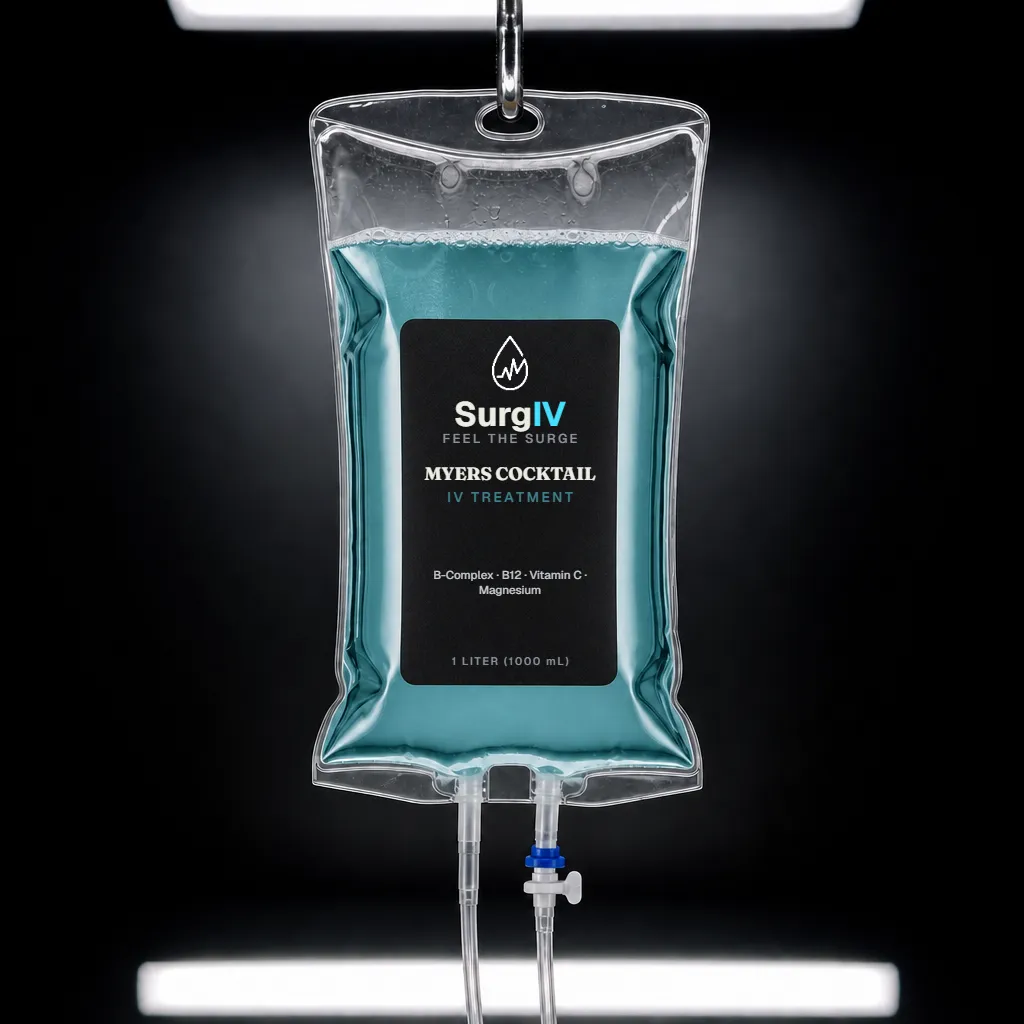
The formula history left us
Myers Cocktail $249
The Myers' — the 1960s classic still anchoring the modern menu.
B-Complex · B12 · Vitamin C · Magnesium
What the history is actually for
Two things, both useful. First, perspective: this is not a wellness fad with a four-year history — it's a four-century medical lineage whose safety infrastructure was paid for in hard lessons. Second, humility: every step forward here came from someone insisting on evidence over enthusiasm, which is exactly the standard a modern provider should be held to. Wren had the idea. Latta proved the principle. The wars built the machinery. Myers wrote the formula. The nurse at your door this afternoon is the end of a very long, very hard-won sentence.
This article is for general education and is not medical advice. IV therapy at SurgIV is administered by registered nurses under physician-written protocols, with a health screening before your first visit. Talk to your doctor about what is right for you.