6:47 AM, Saturday, a bedroom in Wellington. The door opens at toddler height. A voice — bright, rested, merciless — announces the day's agenda: "Daddy. DADDY. It's wake-up time. I want waffles and the PARK." The daddy in question — we'll call him Chris, 37, casualty of last night's anniversary dinner that gloriously escalated — surfaces from four hours of sleep into the singular horror every parent eventually meets: the hangover with no sick day, no snooze button, and a stakeholder who weighs 31 pounds and holds all the leverage.
The kids' morning is non-negotiable. The suffering, it turns out, has some negotiating room. The family-edition survival guide.
The safety paragraph (first, always)
Before the tactics, the hard lines that outrank everything: impaired is different from miserable — after a very late or heavy night, if you're genuinely still feeling effects, driving kids anywhere waits, period; water requires a fully-alert adult — pools and bath time don't get the 40% version of you; and truly incapacitated means calling the village — grandparents, the neighbor, the co-parent's sister — without ego, because that call is the responsible one. The rest of this article assumes miserable-but-functional, which is parenting's survivable tier.
The tag-team doctrine
For two-parent households where both attended last night: the classic error is parallel suffering — both parents upright at 40%, martyring through cartoons in shared silence. The veterans run shifts: one sleeps 7–9 while the other survives, then rotate — producing two parents at 70% by noon instead of two at 40% all day. The survivor's shift runs the low-effort playbook: cereal is breakfast (today it is), the screen-time amnesty is invoked without guilt (one cartoon morning is a rounding error in a childhood — every pediatrician privately agrees), and the park deploys strategically — the fenced one, with benches, where small legs burn energy while yours sit. Chris's waffle stakeholder, for the record, accepted frozen waffles and ninety minutes of Bluey as a full settlement.
Parallel suffering is the rookie error. Shifts are the doctrine. The village is the escape hatch.
The nap window (parenting's recovery slot)
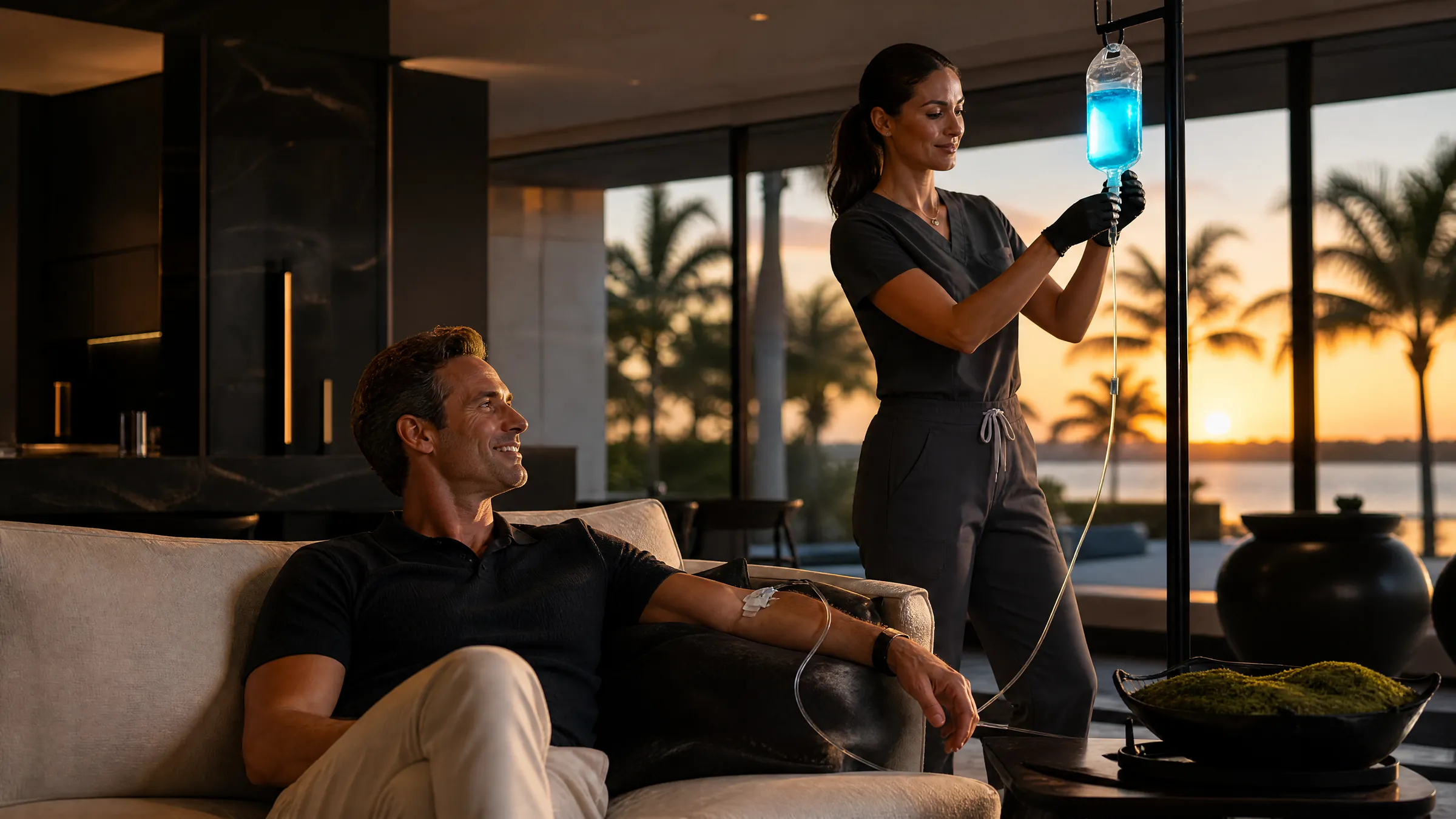
Then comes the day's one structural mercy: the nap — and the move that's made weekend mornings half our route: the Hangover IV booked into it. A nurse arrives as the toddler goes down (our teams work around family chaos professionally — drips have run through Lego construction zones without incident), both parents through back-to-back sessions in the window, and the afternoon shift — the birthday party, the pool obligation, the dinner at the in-laws — gets restored parents instead of survivors. The alternative afternoon, every parent knows, is the one where the hangover and the witching hour meet at 4:30 PM, and nobody wins that meeting.
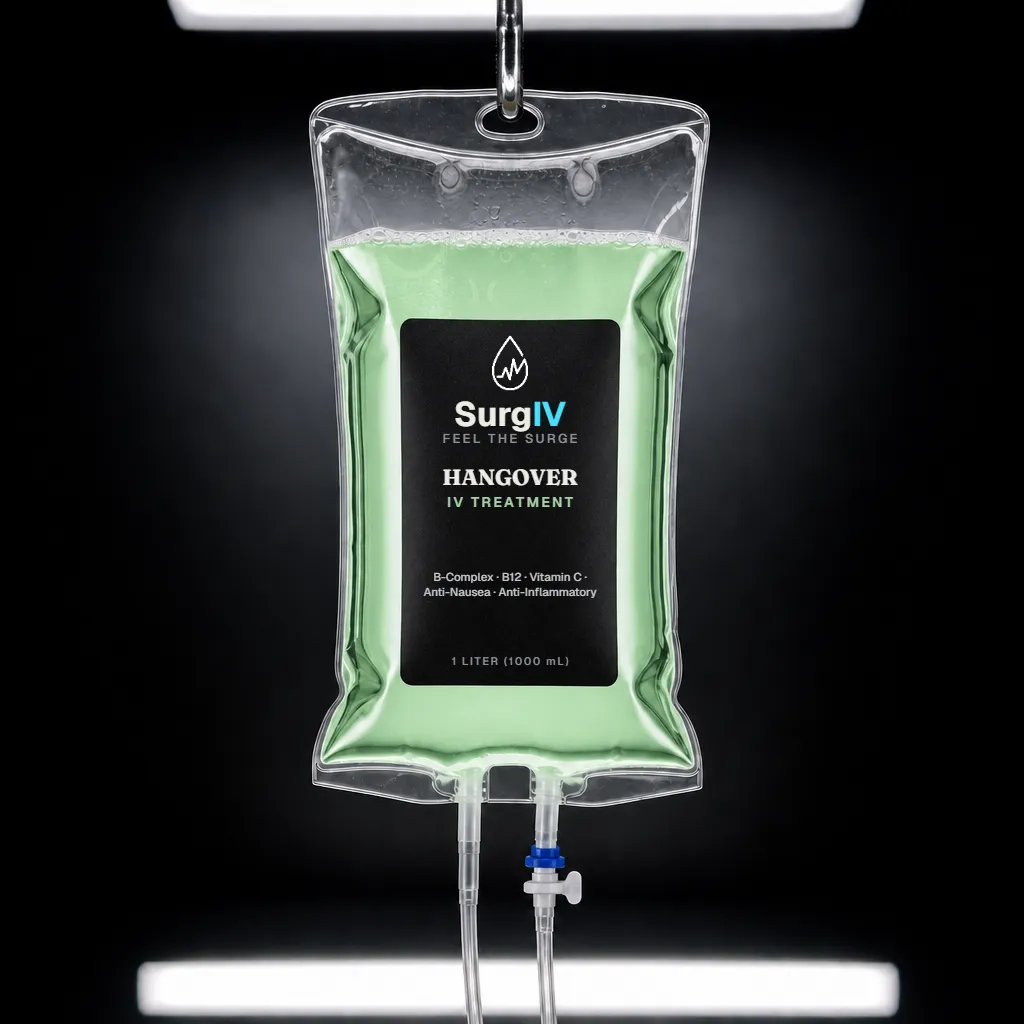
The nap-window rescue
Hangover $249
A nurse during the toddler's nap — both parents restored before the afternoon shift.
B-Complex · B12 · Vitamin C · Anti-Nausea · Anti-Inflammatory
Chris, 5 PM, improbably fine
The full doctrine executed — shifts, amnesty, park, nap-window doubles — delivered Chris and his wife to the evening's family dinner as, his words, "functioning members of society, to everyone's visible surprise." His closing wisdom, offered to all parents of small stakeholders: "You can't call in sick to a toddler. But you can absolutely call in reinforcements during her nap. That's not cheating — that's logistics." The dawn patrol comes for us all. Come prepared.
This article is for general education and is not medical advice. IV therapy at SurgIV is administered by registered nurses under physician-written protocols, with a health screening before your first visit. Talk to your doctor about what is right for you.