4:50 PM, a massage studio in West Palm, face-down through the headrest. A woman we'll call Sandra, 51, tennis three mornings a week, is having the same conversation with her massage therapist that they have every single month. Therapist, finding the calf knot she always finds: "They're back." Sandra, into the floor: "They never LEFT." Every month: same knots, same relief, same 3 AM calf cramp within the week. The best hands in the county keep fixing a problem that keeps un-fixing itself — which is usually the sign that the hands are only reaching half of it.
What the hands actually reach
Massage's honest résumé is better than its folklore: reduced perceived soreness (the best-supported claim), short-term stiffness and range-of-motion relief, and — underrated — a genuine parasympathetic downshift, the nervous-system exhale that makes post-massage sleep the best of the month. That's real recovery. What's not on the résumé: "flushing toxins" (massage liberates nothing into your blood; the water-after rule is fine advice with a fictional rationale) and anything chemical. Hands work tissue and nerves from the outside. They cannot adjust what the muscle is made of this week.
The knot is mechanical. The reason it keeps coming back is often chemical. Two different crafts, one calf.
The recurring part is the tell
Here's the reframe for every Sandra: when the same problem returns on a schedule, ask what the hands can't touch. Persistent cramping, twitchy muscles, tissue that re-knots within days — these frequently carry a chemistry component: hydration status, magnesium, potassium, the night-cramp mineral triad — all of it spent generously by three tennis mornings a week in Florida and restocked by neither thumbs nor good intentions. The drip's half of the job is exactly this: fluids and the mineral panel delivered inside, where the recurrence lives. Not instead of the massage — the mechanical relief and the sleep-shift are worth every dollar — but underneath it, fixing the terrain the knots keep growing back into.
The pairing in practice
No interactions, no timing rules — one craft works outside, one inside. The county's popular sequence: drip earlier in the day, massage after, letting the parasympathetic evening run into its famous sleep. Monthly massage devotees with recurring cramps tend to land on a matching monthly drip cadence and then — the actual win — watch the massage therapist run out of familiar knots to greet.
The inside half
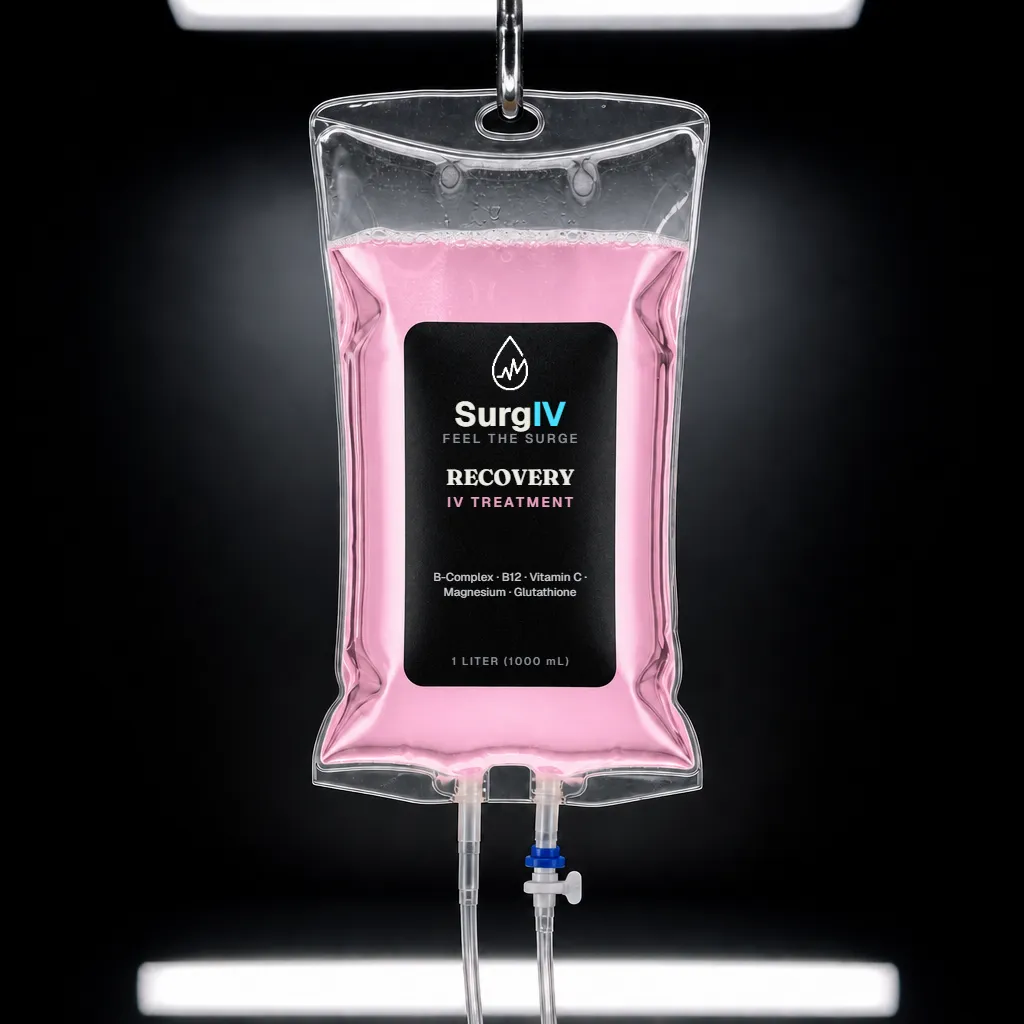
Recovery $299
The massage works the tissue. This restocks the chemistry underneath it.
B-Complex · B12 · Vitamin C · Magnesium · Glutathione
Sandra, six weeks later
Same studio, same headrest, new dialogue. Therapist, searching the calf with growing confusion: "...they're not back." Sandra, into the floor, triumphant: "Fired the knots. Hired a chemist." The hands were never wrong. They just needed the inside of the leg to stop undoing their work.
This article is for general education and is not medical advice. IV therapy at SurgIV is administered by registered nurses under physician-written protocols, with a health screening before your first visit. Talk to your doctor about what is right for you.