
The last Wednesday of July, 5:50 AM, an inlet parking lot that has not been this full since… the last Wednesday of last July. Coolers, tanks, nets, tickle sticks, and several thousand of your closest friends launching into the dark, because Florida lobster mini-season waits for no one and the good ledges get picked over by 8. A diver we'll call Alex, 42, is idling in the channel with his crew of four, running the two-day math every mini-season veteran knows and none of them respects: twelve bugs per person per day, two days, one body.
Why 48 hours hits like two weeks
Mini-season is a compression event — a season's worth of diving squeezed into two working days, and the body pays compression rates:
- The diving itself: repeated tank dives or free-dive series from dawn, surface swims against current, gear-laden ladder climbs — dozens of them — each one a squat-press nobody counts.
- Immersion diuresis, the diver's secret tax: being underwater literally accelerates fluid loss through increased urine output. Divers exit every session dehydrated by mechanism, before the sun and exertion even bill you — and dehydration sits on the risk-factor list for decompression stress, which makes fluids a safety item, not a comfort.
- The between-spots grind: full boat-day exposure stacked on the dive load — sun, wind, balance work, and a cooler that's rarely holding water.
- The midnight shift: limits mean cleaning — hours of it, standing at a dock table under a light, finishing at an hour that makes Thursday's 5 AM alarm a war crime. Then day two, on day one's legs.
Mini-season is the only holiday where the celebration is 40 squats in scuba gear followed by a night shift in a cleaning station.
The safety paragraph that isn't optional
Every year this season takes lives, so the veterans' rules, stated plainly: the dive flag flies and you stay near it — boat traffic on these two days is the real predator. Free-divers: surface intervals between breath-holds, always — shallow-water blackout gives no warning and prefers exactly the repeated-dive pattern this season demands. Current respect, buddy discipline, and the day-two addendum: every one of these margins shrinks when you're exhausted, which is why recovery between days is a safety protocol wearing a wellness costume.
Winning Thursday on Wednesday night
The crews that limit out both days run Wednesday evening like a pit stop: rinse gear, eat real food before the cleaning marathon, defend the early bedtime against the celebration (Thursday's bugs are caught Wednesday night), and — the move that's made mini-season week our busiest 48 hours of summer — the Recovery IV at the house Wednesday evening: full fluids against the immersion-diuresis hole, electrolytes, aminos for the ladder legs, the whole crew back to back while the bugs chill on ice. Thursday's first drop gets Wednesday-morning bodies. Book it the week before; our Wednesday-night slots go like the good ledges.
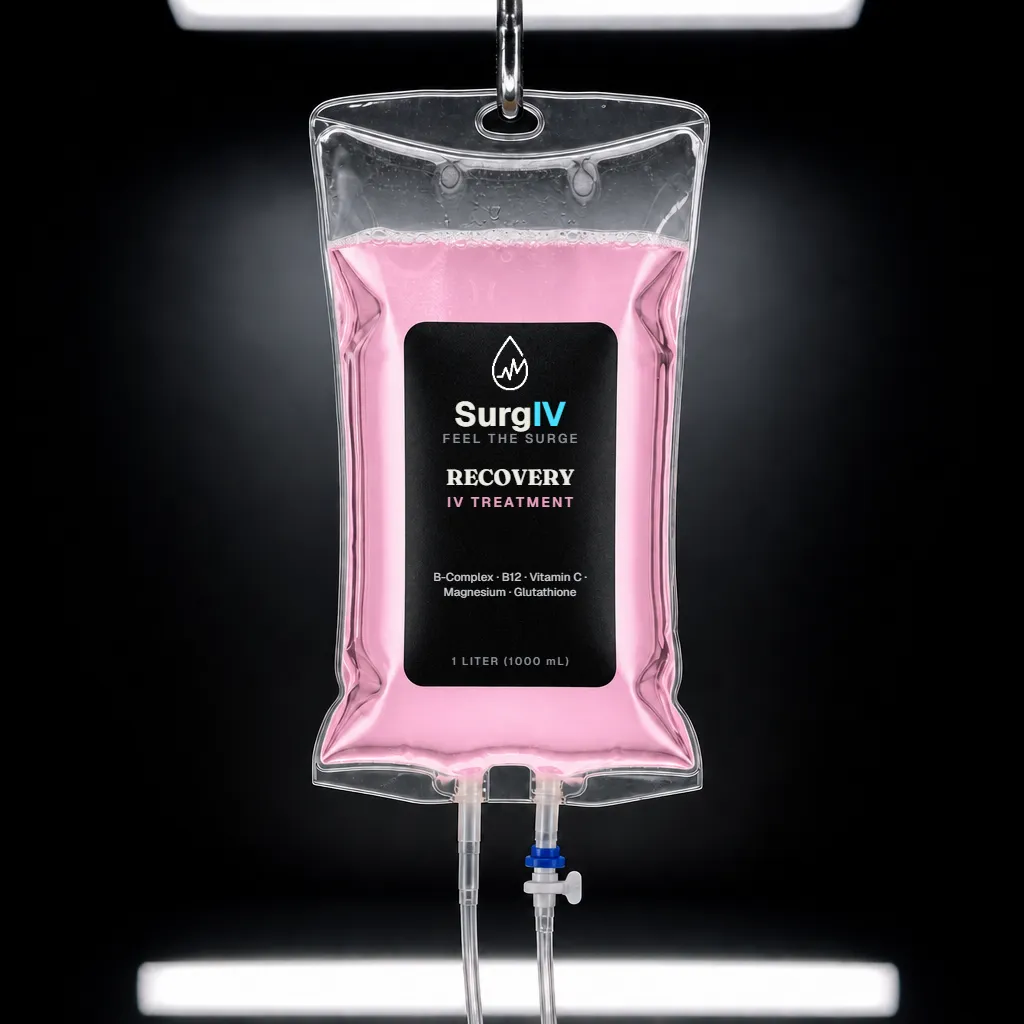
The between-days reset
Recovery $299
Wednesday night fluids and aminos — so Thursday's dives get Wednesday-morning legs.
B-Complex · B12 · Vitamin C · Magnesium · Glutathione
Alex's tally
Last season, Alex's crew ran the pit-stop protocol and posted the numbers that matter: twenty-four bugs Wednesday, twenty-four Thursday, zero day-two injuries, and — Alex's preferred stat — "first year nobody fell asleep at the cleaning table." Two days of beautiful madness, both of them at full strength. That's the whole trick. See you the last Wednesday of July.
This article is for general education and is not medical advice. IV therapy at SurgIV is administered by registered nurses under physician-written protocols, with a health screening before your first visit. Talk to your doctor about what is right for you.