Somewhere right now, a wellness influencer is telling two million people that NAD⁺ "literally reverses aging," and three feeds later a debunker is telling his audience it's "expensive placebo for rich people." They are both wrong, both confident, and between them they've made the NAD⁺ conversation nearly impossible to have honestly. So let's have it anyway — myth by myth, including the ones whose debunking costs us money. Especially those.
Myth 1: "NAD⁺ reverses aging"
Status: overclaim. Here's the honest chain: NAD⁺ declines with age (solid). The molecule funds energy production and DNA repair (solid — textbook, not controversial). Restoring it in aged animals shows genuinely exciting results in the lab (real, promising). Therefore infusions reverse human aging — and there the chain snaps, because that last link requires long-term human outcome trials that don't yet exist. What restoration honestly offers is what our whole NAD⁺ series claims: resupplying a depleted system so it runs like a well-supplied one. That's maintenance, not time travel — valuable and unmiraculous, like most true things.
Myth 2: "It's all placebo"
Status: lazy in the other direction. The placebo accusation has to explain away some inconvenient furniture: a century of established biochemistry, measured age-related decline, the well-documented fact that IV delivery produces blood levels oral dosing can't, and — the detail we find persuasive — that the effect pattern members report is specific and unglamorous (fewer afternoon crashes over weeks, not euphoria on session day), which is the opposite shape of classic placebo response. Could individual experiences include placebo? Sure — human experience always can. Is the mechanism imaginary? The mitochondria would like a word.
The influencer and the debunker are the same guy in different fonts: both selling certainty the data doesn't have.
Myth 3: "NAD⁺ cures addiction / depression / [disease]"
Status: out of bounds, full stop. There are clinics — some charging five figures — marketing NAD⁺ as addiction treatment or a mental-health cure. Whatever early research explores, treatment claims for diseases belong to medicine, trials and the FDA, not wellness menus. Addiction and depression deserve actual clinical care; any wellness provider positioning a drip as the answer is monetizing desperation. This myth is where we draw the line hardest, because its victims are the most vulnerable people in the conversation.
Myth 4: "The pills do the same thing cheaper"
Status: category confusion. Oral NAD⁺ is largely dismantled in digestion; precursor supplements (NR/NMN) are legitimate but still ride the absorption toll booth. IV delivery is the one route where the label dose is the blood dose. The pills aren't worthless — we infuse NR ourselves — but "the same thing" they are not.
Myth 5: "If it were real, it wouldn't be sold at drip bars"
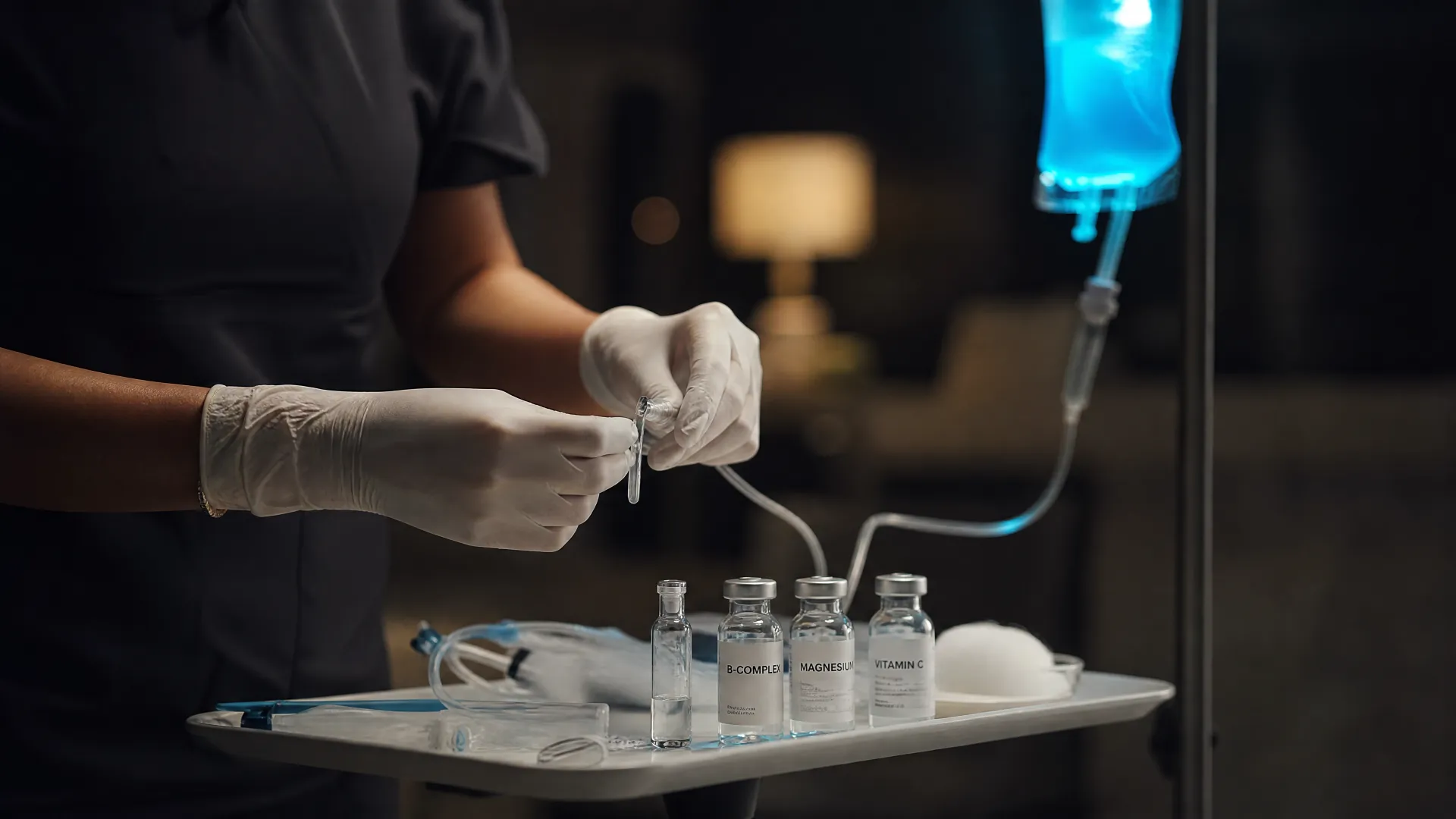
Status: half right, wrong conclusion. The category does have cowboys — token doses, wild claims, zero screening — and the skeptics are right to torch them. The conclusion should be provider selection, not category dismissal: real doses (published milligrams), physician protocols, RN administration, and the four questions sort the field in five minutes.
The no-hype version
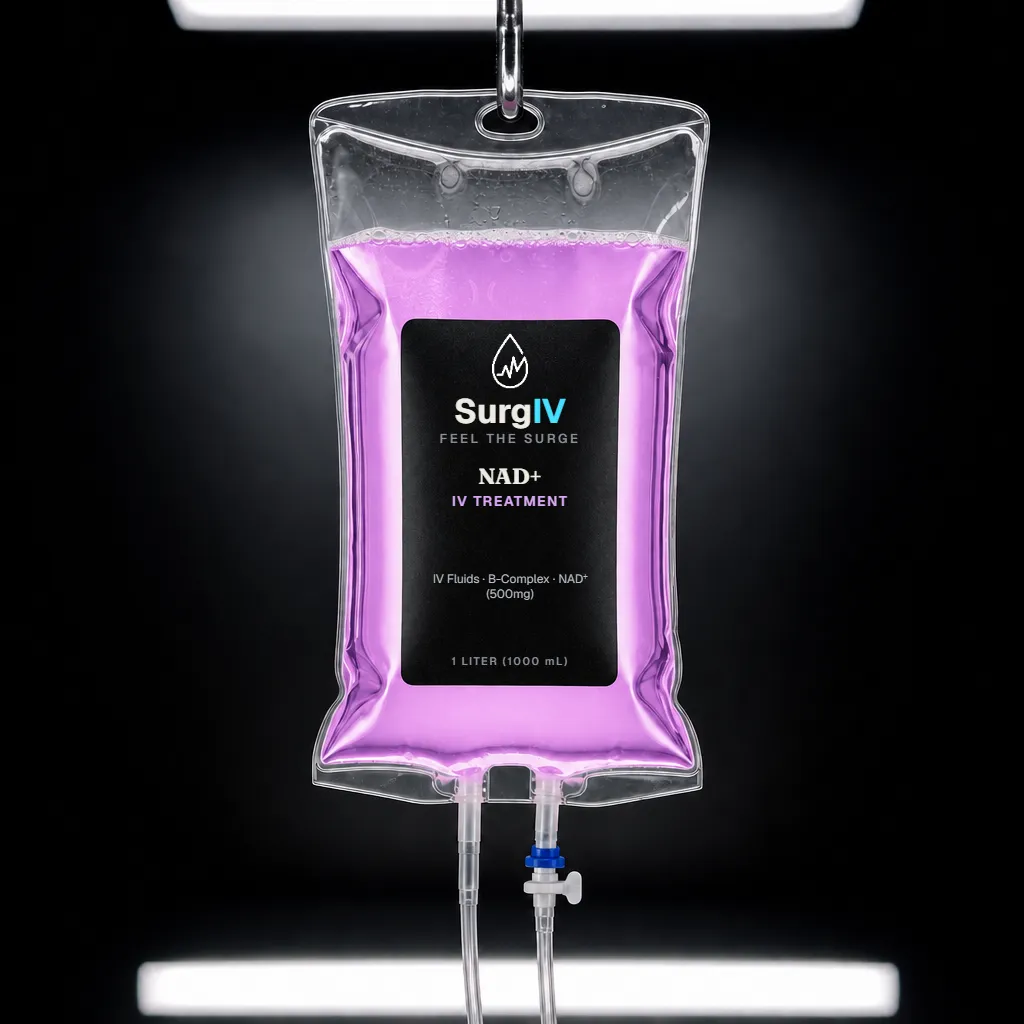
NAD+ $749
Real doses, honest expectations, physician protocols — the claim is supply, not miracles.
IV Fluids · B-Complex · + 3 IM Shots: B12 · D3 · CoQ10
What survives the cleanup
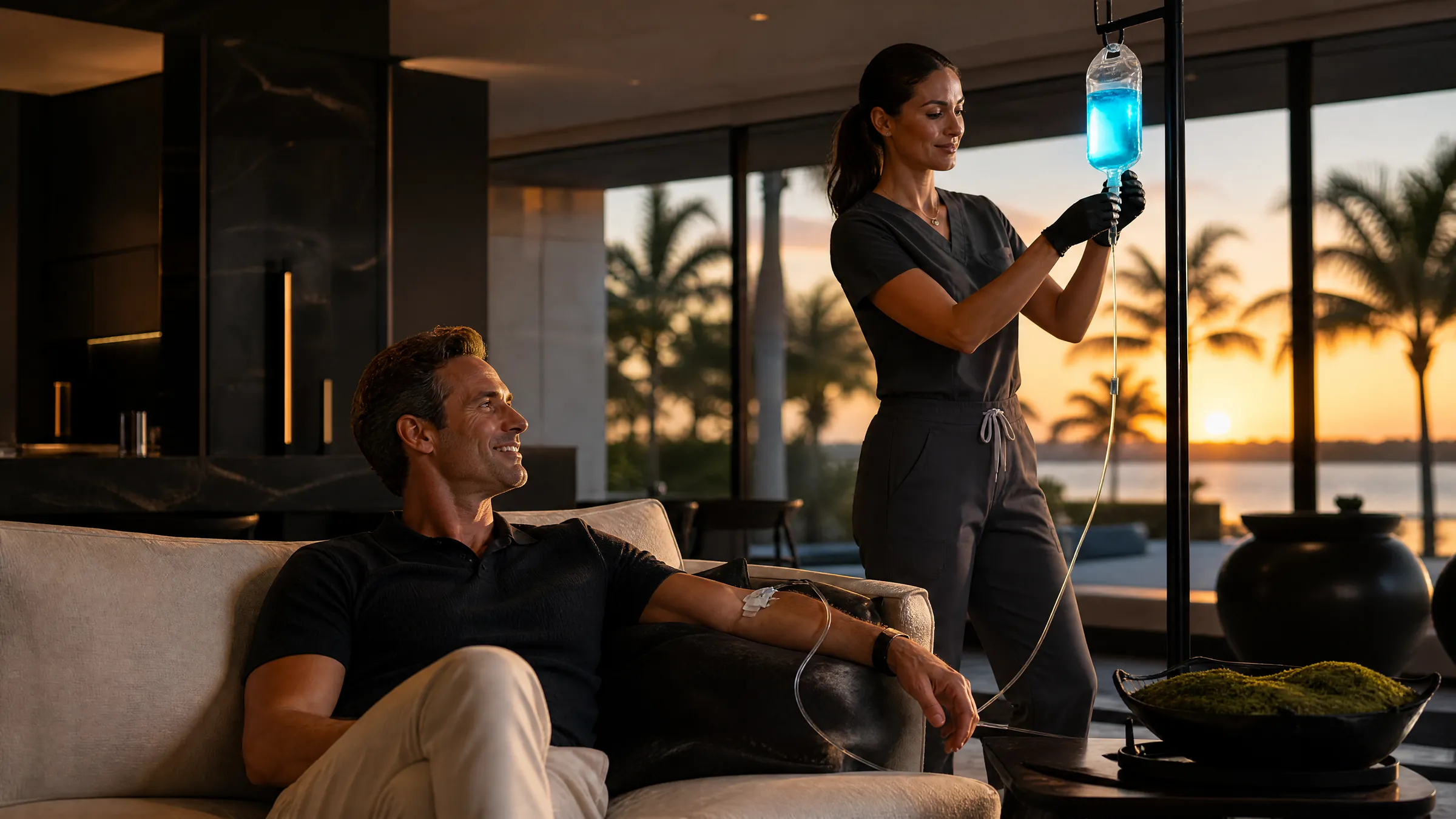
Strip the nonsense from both directions and what remains is exactly what we'd want you to book on: a real molecule with real decline, restored by the one route that delivers it, producing consistent member-reported benefits, under honest framing — supply, not sorcery. It's a smaller claim than the influencer's and a bigger one than the debunker's. It has the advantage of being true. And it's available at your couch, with a nurse who's been trained to say "we don't know" out loud — which, in this category, might be the rarest ingredient we carry.
This article is for general education and is not medical advice. IV therapy at SurgIV is administered by registered nurses under physician-written protocols, with a health screening before your first visit. Talk to your doctor about what is right for you.