Tuesday, 7:55 AM, a court complex in Delray. Our client — call her Linda, 61, retired CFO — is stretching a calf against the fence and lying to her doubles partner: "Oh, I'm fine, just a little stiff." She is not fine. It's her fourth session in five days, her legs have filed a formal complaint, and last night she took the stairs sideways. But the 8 AM group has a waitlist, and Linda would rather limp than lose her spot.
If you play pickleball in Palm Beach County — statistically, you do — you know Linda, or you are Linda. This county plays more pickleball per capita than practically anywhere on earth, the sport's growth is a national phenomenon, and its dirty secret is written on every 60-something's face by Thursday: the friendliest game in America hits like a real sport, because it is one.
Why "the easy sport" empties the tank
The court fooled everyone. It's twenty feet wide, so your brain files pickleball under "casual." Now look at what your body actually does in a two-hour session:
- Hundreds of lateral lunges and split-steps — short, sharp, side-to-side loading, the exact movement pattern adult joints and calves are least trained for. Tennis makes you run; pickleball makes you lurch, over and over, from a standstill.
- No real rest — points are short but constant; a doubles morning is interval training wearing a sun visor.
- Florida heat, extended exposure — two-plus hours outdoors, often mid-morning, sweating liters you don't notice between games. The standing deficit, courtside edition.
- The frequency multiplier — and here's the real difference from every other sport: nobody plays pickleball twice a week. It's social, it's scheduled, it's addictive — four to six sessions a week is normal, which means recovery windows that other sports get simply don't exist.
Pickleball's genius is that it doesn't feel like exercise. Pickleball's bill is that it absolutely was.
The over-50 fine print
One honest safety paragraph, because the data is clear: the sport's injury spike is concentrated in players who went from couch to five-days-a-week in a month, and it lands hardest on Achilles tendons and calves — the muscles doing all those cold lurches. The boring fixes work: warm up the calves specifically (toe raises before first serve), ramp frequency gradually, and treat any sharp pop or pull as a doctor visit, not a "walk it off." Heat rules apply doubly: the game's social rhythm makes it easy to play through the warning signs everyone else would notice.
The addict's recovery protocol
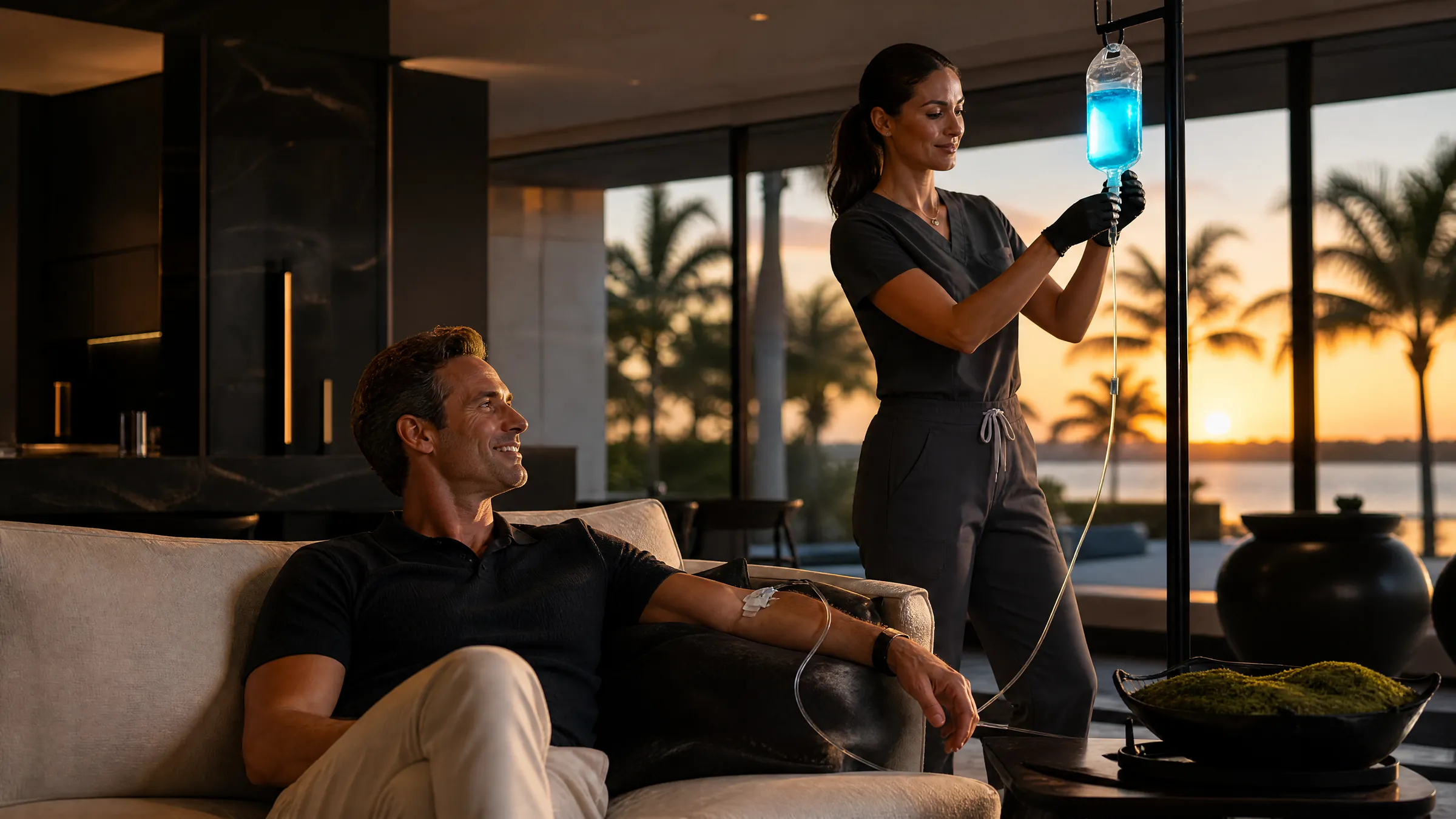
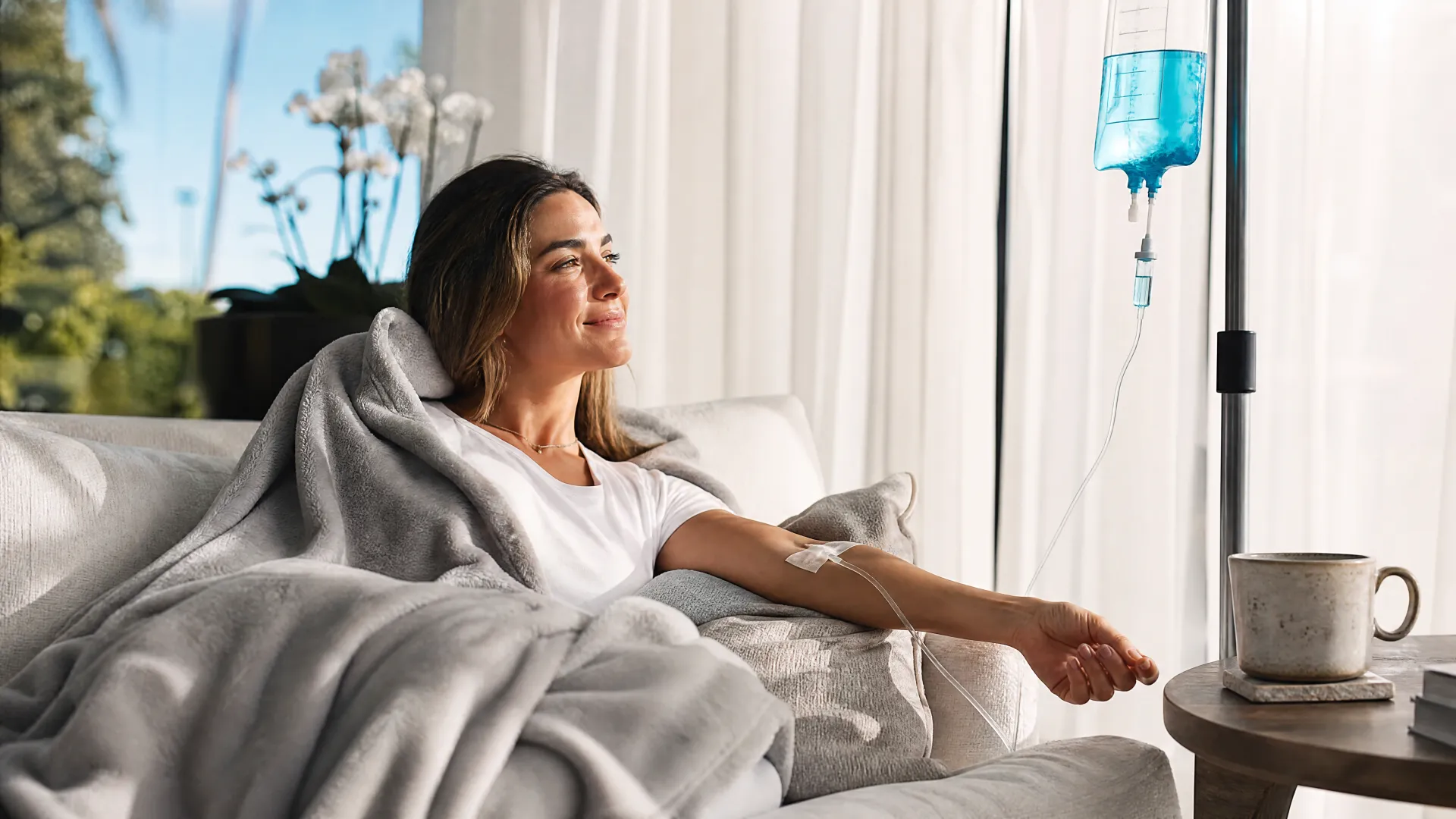
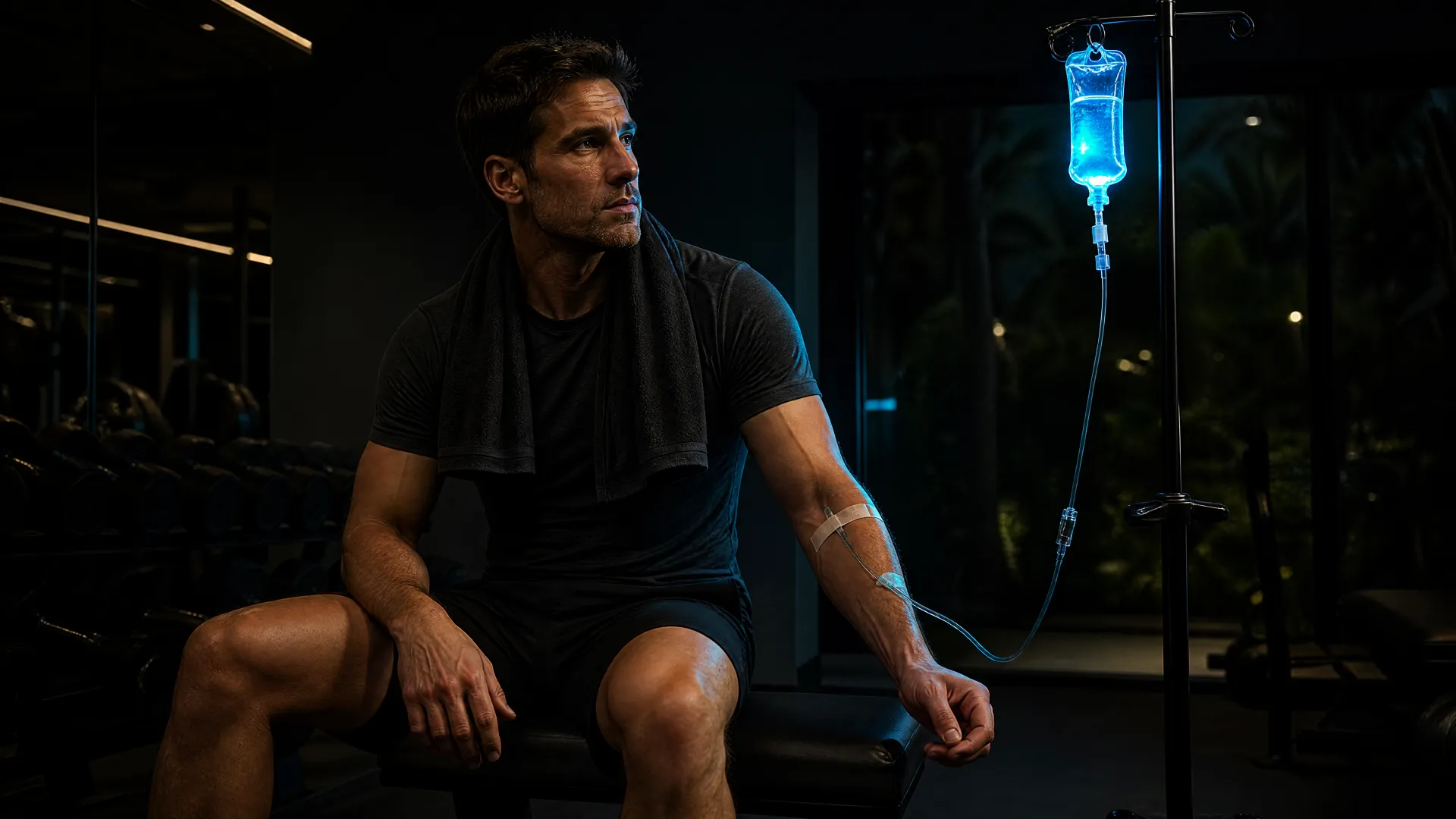
Since quitting is off the table — we've met you — the play is recovering as seriously as you play. Same-day: real rehydration with electrolytes (the water bottle alone isn't covering a two-hour Florida session), protein within the window, and the calf-and-hip mobility work everyone skips. Weekly: one genuine rest day, defended against the group chat. And for the four-plus-day players, the anchor our members use: the Recovery IV after the week's heaviest day — a liter of fluids and electrolytes, amino acids for the rebuild, magnesium for the cramping calves — delivered at home, often to a living room full of the same people you just played against.
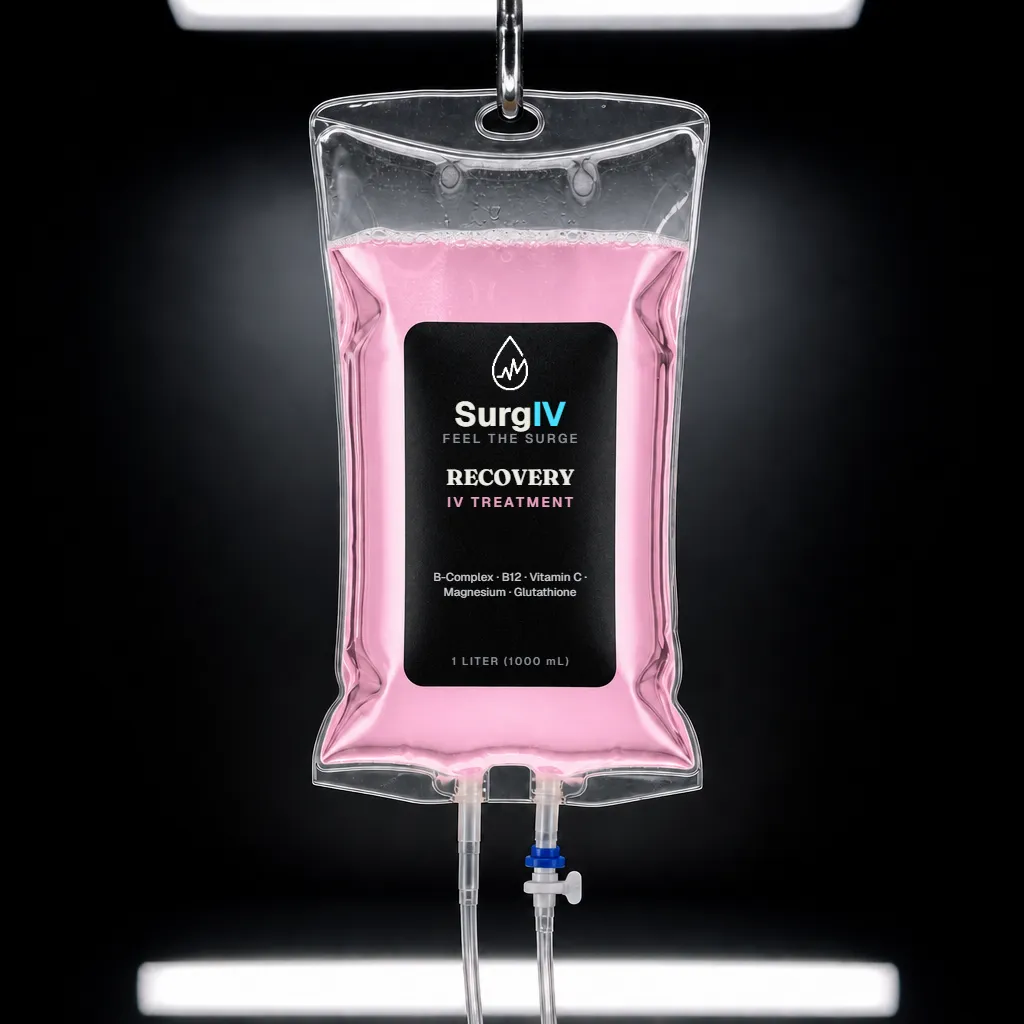
The dink-and-drip protocol
Recovery $299
Fluids, aminos and minerals after the week's biggest sessions — so tomorrow's 8 AM game gets fresh legs.
B-Complex · B12 · Vitamin C · Magnesium · Glutathione
Linda, updated
Linda's group now runs a standing arrangement: Saturday round-robin, then a nurse at her place at noon, four drips back to back while the group replays every disputed kitchen call. She calls it "the fifth game." Her stairs are no longer sideways, her Tuesday legs arrive on Tuesday, and her only complaint — filed with a smile — is that the 8 AM waitlist got longer because everyone recovered. The sport won't let you go. Recover like it, and you won't need it to.
This article is for general education and is not medical advice. IV therapy at SurgIV is administered by registered nurses under physician-written protocols, with a health screening before your first visit. Talk to your doctor about what is right for you.