6:12 AM, baggage claim, PBI. The red-eye from the West Coast has landed, and among the shuffling figures at carousel 3 stands a woman we'll call Elena, 39, consulting director, who chose this flight for the classic reason: it doesn't waste a workday. The math looked elegant on the booking page. The reality at carousel 3: ninety minutes of chair-sleep, a mouth like a desert postcard, and a calendar that begins in two hours and fifty minutes with a client presentation she wrote — she checks — eleven days ago, when she was a different, more alive person. Elena's thought, as the bag thumps onto the belt: "The flight didn't waste a workday. It just moved the waste to today."
Why the red-eye charges double
A red-eye isn't just a short night — it's a short night inside the cabin problem, and the two compound:
- Chair sleep isn't sleep. Upright, interrupted, and nearly devoid of the deep stages — the ninety minutes you got did a fraction of ninety minutes' work. Your body logged a night shift, not a night.
- The cabin ran its tab all night. Six hours at 8–12% humidity and pressurized altitude — the standard flight deficit, extended to overnight length. You land a liter-plus down before the day starts.
- The wine trap. The boarding-glass-to-sleep-faster strategy fragments the only thin sleep available — paying interest on a loan that never funded.
- The day won't wait. Unlike a home short-night, there's no easing in: the whole point of the red-eye was the full day waiting at the other end. The efficiency hack and the damage share a calendar slot.
The red-eye doesn't save a day. It borrows one — from tomorrow's you, at cabin-air interest rates.
The salvage protocol
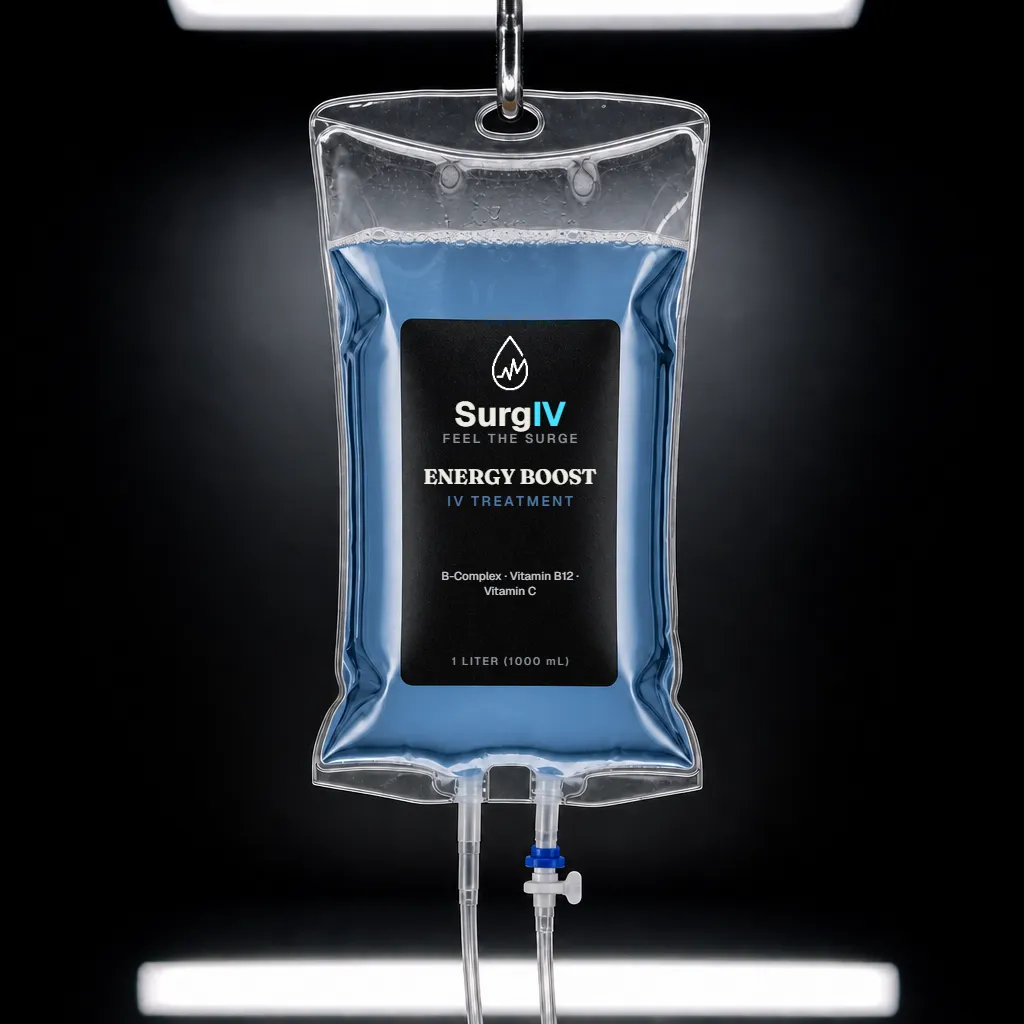
On the flight (next time): water at boarding and every pass, wine declined, mask and neck pillow deployed without fashion concerns, watch set to destination time — small moves that shrink the hole by maybe a third. On landing (today): the sequence matters. Fluids with electrolytes immediately — baggage claim is a hydration venue. Sunlight on the drive home — the clock reset starts now. The strategic nap: ninety minutes, alarm non-negotiable, before 11 AM — one full cycle repairs meaningfully; three hours of surrender wrecks tonight and extends the damage a day. And the anchor for mornings that matter: the Energy Boost IV in the first hour home — the liter the cabin took, the B vitamins the fake night burned — which is why our 7–8 AM slots fill with red-eye landings. Then push through to an early bedtime, and tomorrow arrives clean.
The 8 AM landing slot
Energy Boost $249
Home by 7, drip by 8, functional by 9 — the red-eye salvage in one session.
B-Complex · Vitamin B12 · Vitamin C
Elena, 9 AM
Elena ran the full salvage: drip at 7:15 during her slide review, ninety-minute nap cancelled in favor of the presentation (the drip covered the spread), early night after. The client meeting went, per her text, "suspiciously well," and her conclusion is the red-eye traveler's creed: "The overnight flight is still a cheat code. You just have to pay the cheat tax at baggage claim, not at the podium." Land at dawn. Settle immediately. Own the day you flew all night to save.
This article is for general education and is not medical advice. IV therapy at SurgIV is administered by registered nurses under physician-written protocols, with a health screening before your first visit. Talk to your doctor about what is right for you.