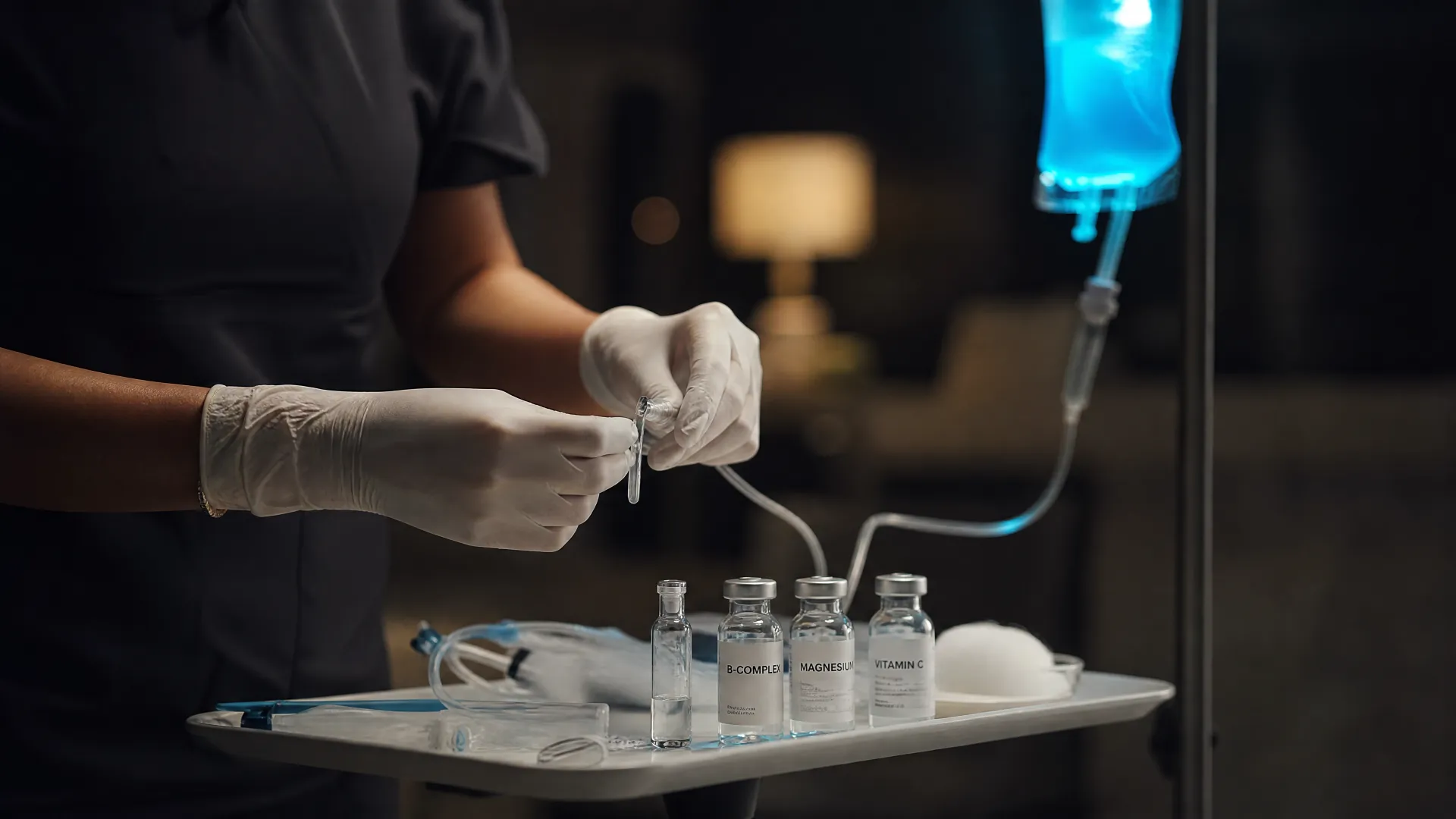
11:20 AM, a blood drive at a church hall in Lake Worth. A man we'll call Pastor Dave's Friend Rick — because that is genuinely how the sign-in sheet identifies him — has just donated for the first time since college. Rick, 46, feeling noble, waves off the snack table: "I'm good — big breakfast." He is at his truck door when the parking lot performs its famous maneuver: the gray tunnel, the distant ringing, the sudden intense interest in sitting down on the curb immediately. A volunteer trots over with juice and the gentle authority of someone who has seen this exact film many times: "The cookies aren't a reward, honey. They're the second half of the procedure."
What actually left your arm
A donation is about a pint — roughly 500ml — of whole blood, and it helps to see it as two shipments with two very different restock schedules. Shipment one, the plasma: mostly water and electrolytes, replaceable within about 24 hours if you fund the replacement — this is the fluid half, and it's the half the snack table addresses. Shipment two, the red cells and their iron: weeks to rebuild, on the body's own schedule — this is why donation intervals exist, and why no drink or drip speeds it. Rick's parking-lot tunnel was shipment one talking: less volume means less pressure headroom, and standing up fast asks for headroom he'd just donated. The head-rush mechanism, sponsored by generosity.
The cookies are not hospitality. They are the second half of the procedure — the volunteer said it perfectly.
The rest of donation day
The protocol beyond the table: 500ml-plus of extra fluid through the day, electrolytes aboard so it stays in circulation (the retention physics); iron-supportive eating — red meat, beans, lentils, spinach, with vitamin C alongside (it meaningfully boosts iron absorption — the orange juice next to the steak is strategy, not garnish); alcohol at zero for 24 hours — it dilates vessels and worsens the exact pressure math you're rebuilding; no heavy training or Florida-sun projects today — sweat is a fluid expense your account can't cover; and the eternal rule: stand up slowly, today and tomorrow. Do all this and most donors are functionally themselves by the next morning, fully so within days.
Where a drip honestly fits — and doesn't
Straight talk, because this is a category where overselling would be easy: for a standard donation, drinks and food are sufficient — the system was designed around them. The honest IV cases: donors who reliably lose a day or two to post-donation wreckage, hot-climate donations where a sweaty afternoon stacked on the pint, or frequent donors wanting the fluid half restored efficiently. And one hard boundary: a wellness IV restores fluid — never iron, never red cells; iron is deliberately absent from wellness formulas, and the red-cell rebuild belongs to your marrow and your plate. Anyone promising otherwise is selling fiction.
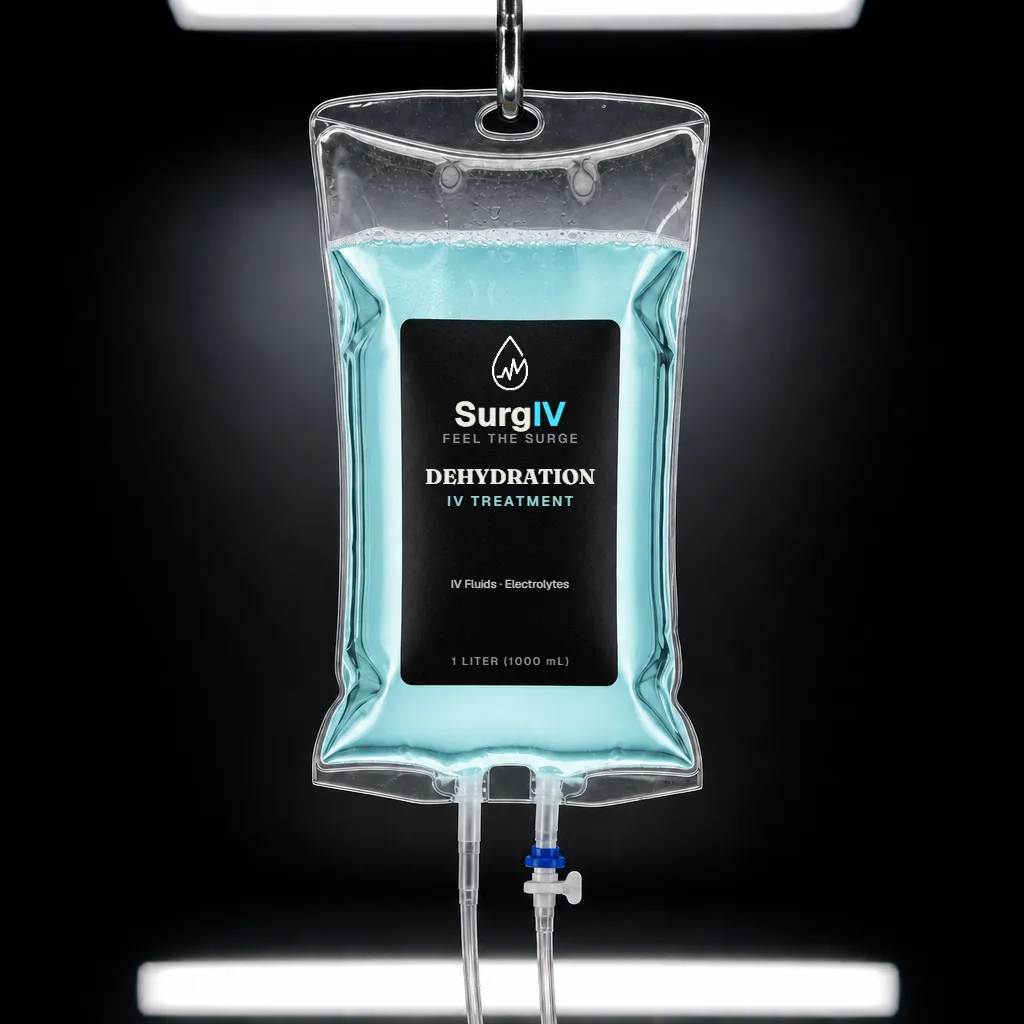
The donor's option
Dehydration $199
Frequent donors and rough-recovery days — fluids restored directly.
IV Fluids · Electrolytes
Rick, second donation
Eight weeks later, same church hall: Rick ate the cookies, drank two juices, skipped the gym, had steak with — deliberately — orange juice, and drove home without meeting the curb. His revised testimony, delivered to the sign-in line: "Give the pint. Then spend one day acting like someone who gave a pint. The nobility is free; the recovery costs a day of behaving."
This article is for general education and is not medical advice. IV therapy at SurgIV is administered by registered nurses under physician-written protocols, with a health screening before your first visit. Talk to your doctor about what is right for you.