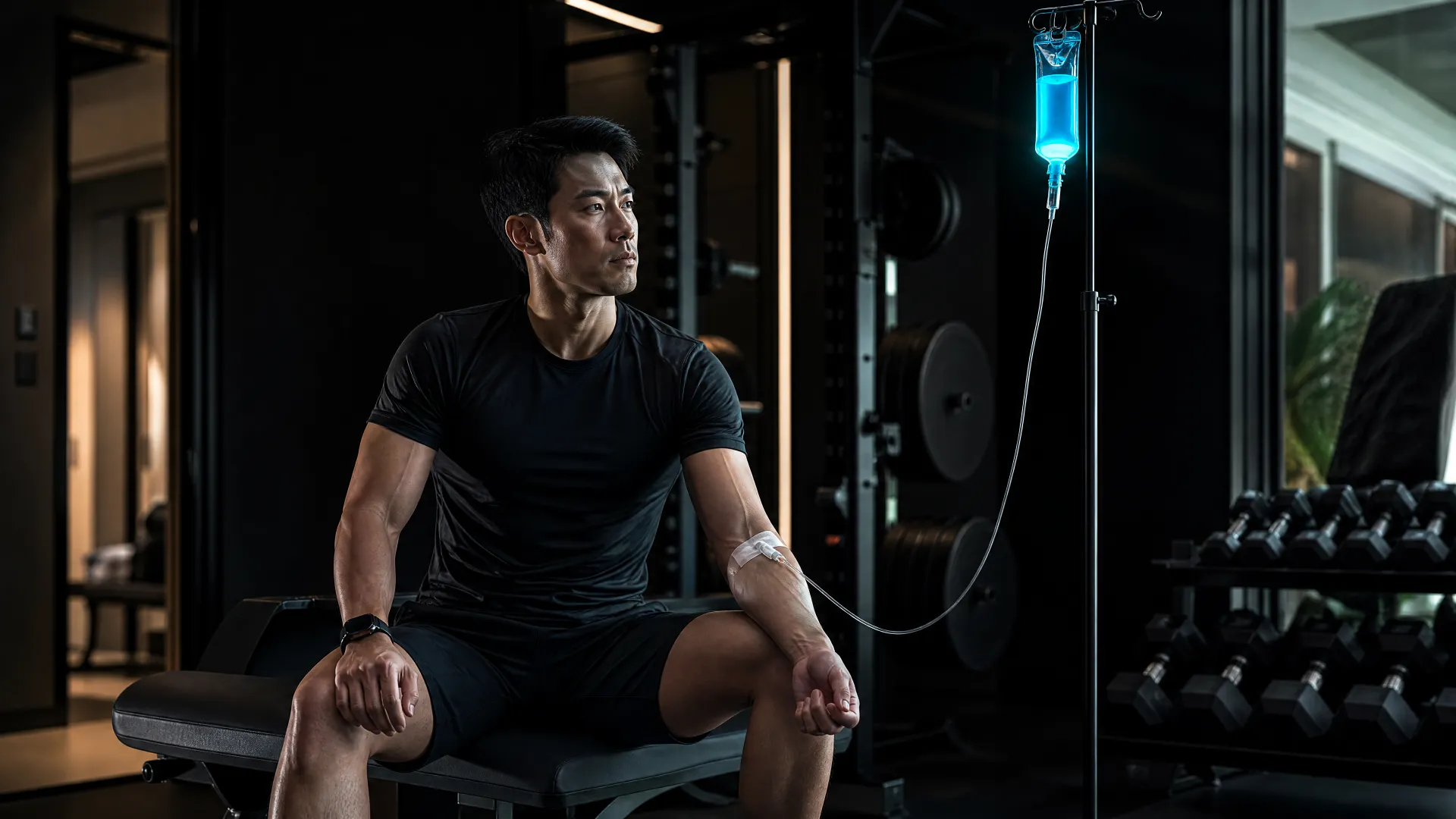
June, 5:40 AM, the bridge over the Intracoastal on Flagler. A runner — call him Marcus, 41, chasing a fall marathon PR — checks his watch at mile four and feels the specific despair every Florida runner knows: 8:52 pace. At an effort that bought him 7:45s in February. Heart rate ten beats high, shirt already a wet towel, sunrise still twenty minutes out. And the thought arrives, as it arrives for thousands of runners every Florida June: "I'm losing it. All that winter fitness — gone."
Marcus is wrong, and the way he's wrong is worth understanding precisely, because runners who don't understand it do one of two dumb things: quit until October, or force winter paces through summer air until something breaks.
The dew point tax
Your engine is fine. Your cooling system is underwater — literally. Running generates enormous heat, and your only serious cooling mechanism is evaporation: sweat converting to vapor off your skin. Evaporation depends on the air having room for more moisture, and a Florida summer morning — dew point 74, air like a warm washcloth — has essentially none. So you sweat more and cool less: the fluid leaves (1.5–2.5 liters an hour on hard efforts) but the cooling never arrives. Your body's response is to divert blood to the skin for backup cooling — blood that was carrying oxygen to your legs. Ten extra heartbeats per minute, a minute per mile, and a runner on a bridge concluding he's washed. The pace didn't lie in February. The air changed the price of it.
Summer doesn't slow you down. It reroutes your blood from your legs to your skin and dares you not to notice.
The adjustment math
Heat-smart coaches hand their athletes a conversion table, and here's the working version: dew point 65–70, add ~20–30 seconds a mile; over 70, add more and stop looking at pace entirely — run by heart rate or honest effort. The workout's value lives in the effort, not the splits; a 9:15 summer mile at threshold heart rate is training the same engine as a 7:45 winter one. The runners who accept this discover the season's secret: consistent summer training in these conditions builds plasma volume and cooling efficiency — genuine physiological upgrades — and October arrives feeling like someone removed a weighted vest. Summer is Florida's altitude camp. But only for runners who survive it intact, which brings us to the ledger.
The ledger, and the spiral
Every summer run ends in deficit — fluid, sodium, magnesium, the works — and here's the failure pattern we watch every August: Saturday's long run ends 2% down; oral rehydration being slow and life being busy, Sunday starts 1% down; the week compounds; by Thursday the resting heart rate is up, the easy pace feels hard, and the runner — reading depletion as unfitness — trains harder. That spiral, not the heat itself, is what ends summer training blocks. The counter-move is settling the tab weekly: real electrolyte rehydration same-day after every run, weigh-in math on long days (every pound = half a liter owed), and — the anchor our marathoners use — the Recovery IV after the week's biggest session: the full liter, electrolytes, aminos, delivered at home Saturday afternoon so Sunday's miles start at zero instead of minus-two.
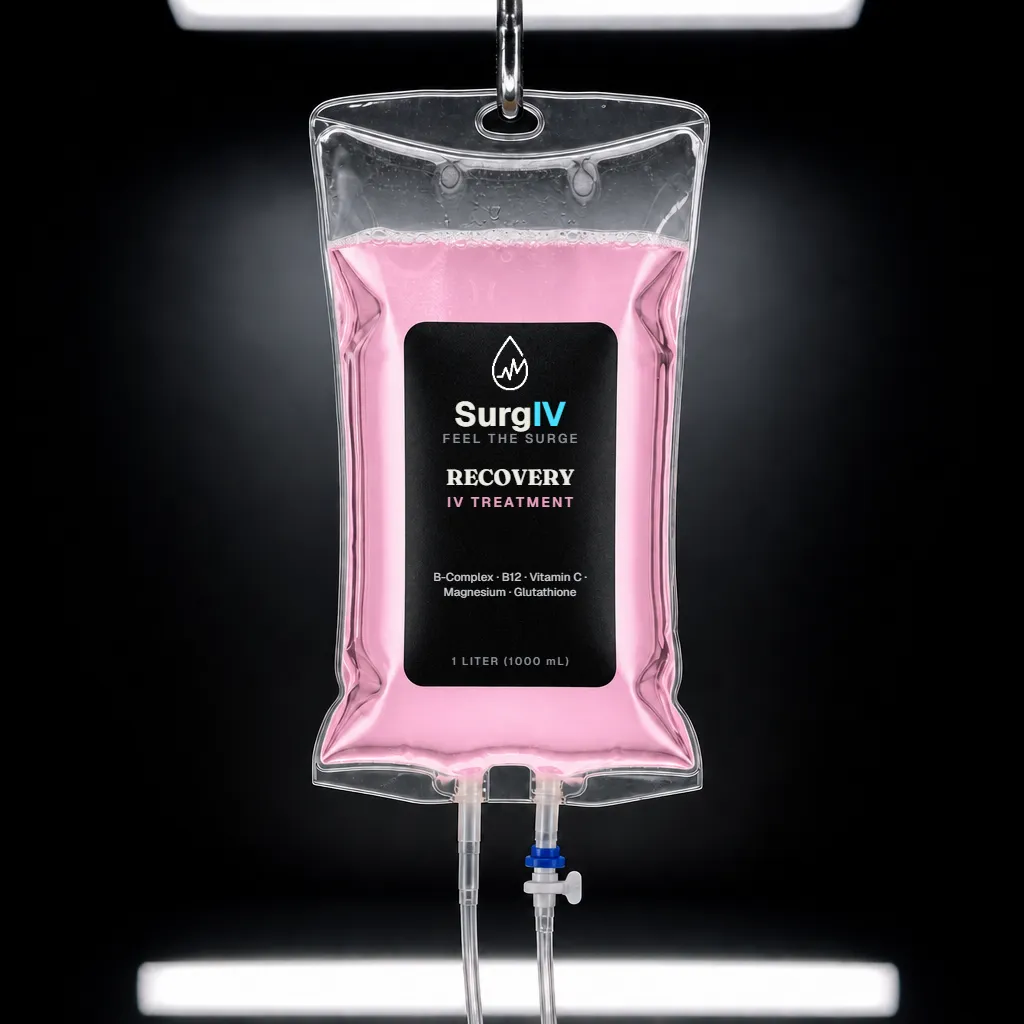
The long-run reset
Recovery $299
Fluids, electrolytes and aminos after the week's big miles — Sunday starts even, not in debt.
B-Complex · B12 · Vitamin C · Magnesium · Glutathione
Marcus, in October
Marcus took the deal: effort over pace, weekly settlement, one drip after every twenty-miler. His October race-day splits started with a 7 — all of them — and his race report to our nurse included the sentence every Florida runner eventually earns: "Turns out I wasn't slow. I was just running in soup, and soup season ended." The fitness was never gone. It was compounding in the humidity, waiting for air that could pay it out.
This article is for general education and is not medical advice. IV therapy at SurgIV is administered by registered nurses under physician-written protocols, with a health screening before your first visit. Talk to your doctor about what is right for you.