2:20 PM, day four of seven, a twelve-bedroom rental in Jupiter. The Hernandez family reunion — twenty-three people, three generations, one increasingly heroic kitchen — is at full roster, and its architect, a woman we'll call Gloria, 58, has just been asked her fourth question in ninety seconds: where are the pool towels, can Tío eat shrimp, who has the Publix list, and whether tonight is taco night or fish night ("it's BOTH, it's been on the fridge since MONDAY"). Gloria loves every person in this house. Gloria has also just locked herself in the laundry room, sitting on the dryer, for what she is calling "an inventory check." The inventory is her remaining self.
The meter everyone's running
The reunion's exhaustion is real physiology wearing a party hat: sustained group interaction is cognitive work — tracking a dozen conversations, managing decades-old dynamics, being "on" from breakfast through dominoes — and it measurably drains the same attention and self-regulation reserves a workweek does. The "reunion tired" that lands around day three isn't ingratitude; it's a resource state, arriving on schedule for introverts first and everyone eventually. And on top of the general meter runs the organizer's tax: Gloria is attending the reunion and working it — schedule-keeper, meal mathematician, diplomat, answer person — the innkeeper's load at family scale, which is why architects of these weeks reliably need a vacation from the vacation.
Nobody at a reunion is "just sitting around." Everyone is running social processing at full load — the organizer is just doing it while also running a hotel.
Breaks that don't read as retreat
The survivor's system is structural, because stealth breaks get found: the announced daily walk — "my morning loop, anyone's welcome" (announcement is the permission; few actually come); errand volunteering — the Publix run is forty minutes of climate-controlled silence disguised as service; and the universally respected classic: taking the little kids to the pool — reads as generous, counts as a break from the adults, and the six-year-olds' conversation demands are refreshingly finite. Add the host-week fundamentals — the fixed wake time, water running interference on the nightly toasts, two quiet dry evenings — and day six becomes survivable instead of heroic.
The Sunday-after settlement
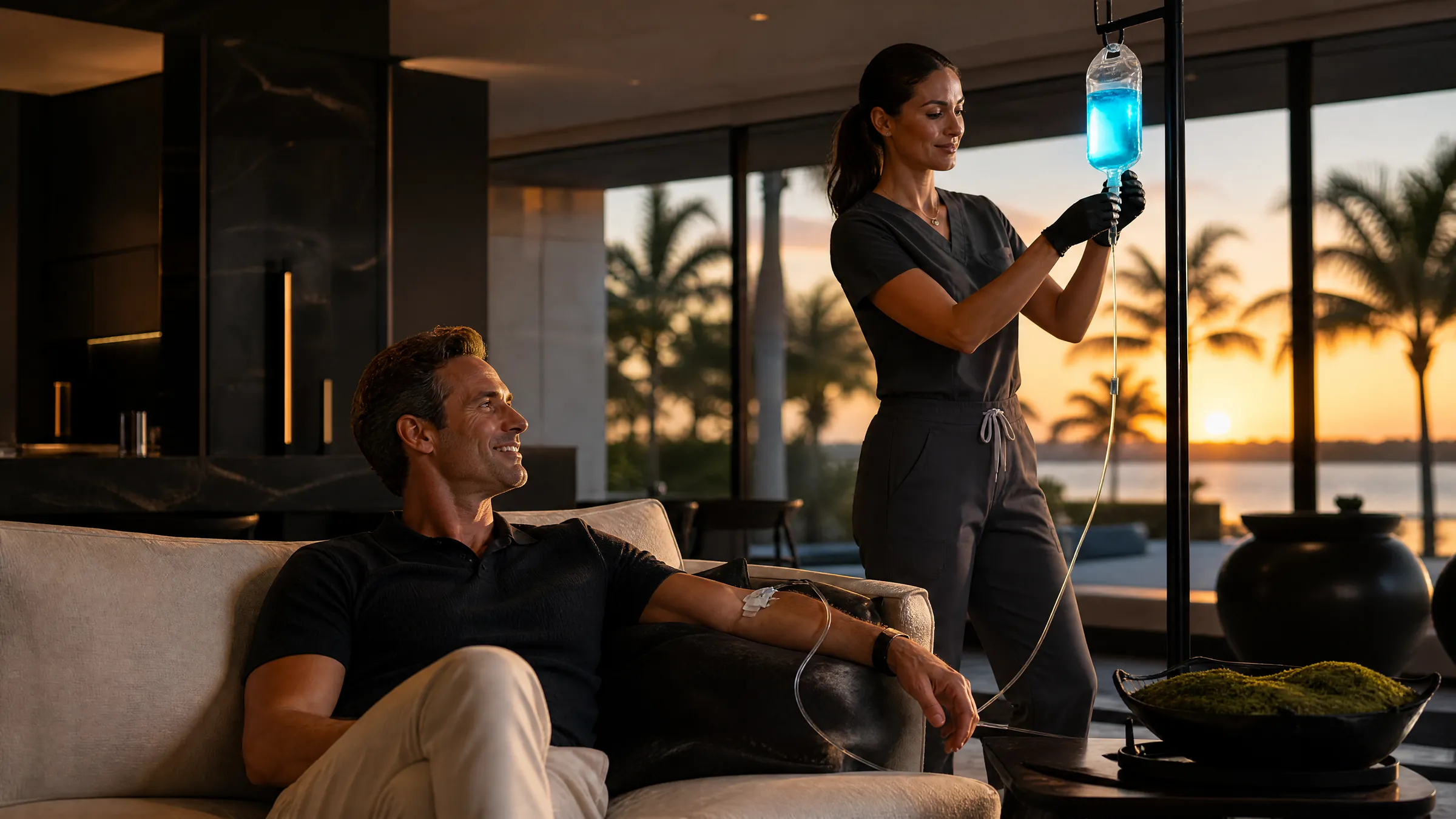
When the last car pulls out, the pattern every hosting marathon shares arrives: the adrenaline withdraws and the week's accumulated bill presents at once. The protocol: the crash named in advance so it doesn't alarm; sleep repaid across several honest nights; real rehydration after a week of celebration eating and toasting; and — the tradition the county's reunion architects have quietly established — the organizer's session on the Monday after: fluids, B vitamins, an hour where somebody finally brings Gloria something. Several families now book it for the organizer as part of the reunion budget itself, which is the correct line item in the correct budget.
The organizer's reward
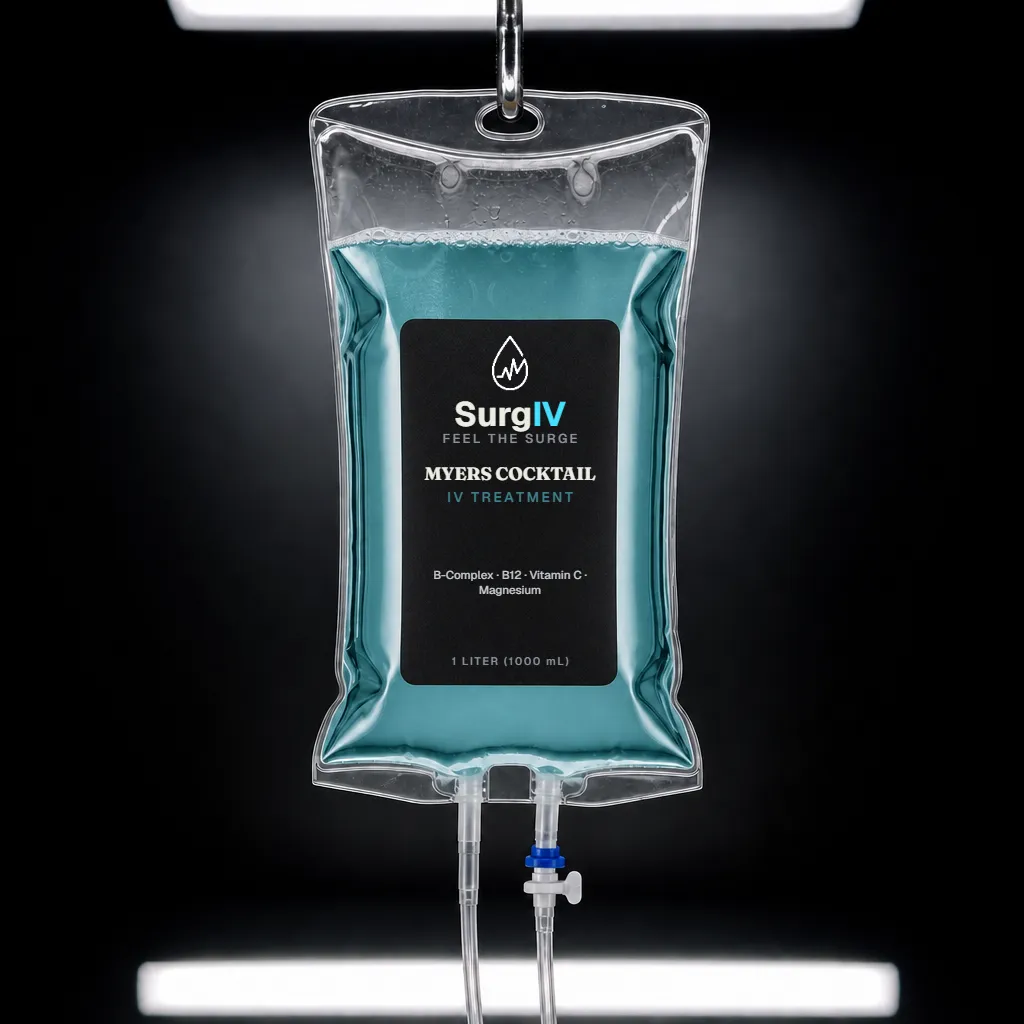
Myers Cocktail $249
The person who planned it all deserves the recovery most.
B-Complex · B12 · Vitamin C · Magnesium
Gloria, next summer's planning call
The reunion was, by unanimous family vote, the best yet. Gloria ran the system from day four — the loop, the Publix silence, the pool shift — and took her Monday session on the family's dime, a line item her daughter added to the shared spreadsheet as "VENUE: GLORIA MAINTENANCE." Her acceptance speech, delivered from the drip chair: "Twenty-three people, seven days, zero disasters. The architect gets serviced like the air conditioning. That's the new constitution."
This article is for general education and is not medical advice. IV therapy at SurgIV is administered by registered nurses under physician-written protocols, with a health screening before your first visit. Talk to your doctor about what is right for you.