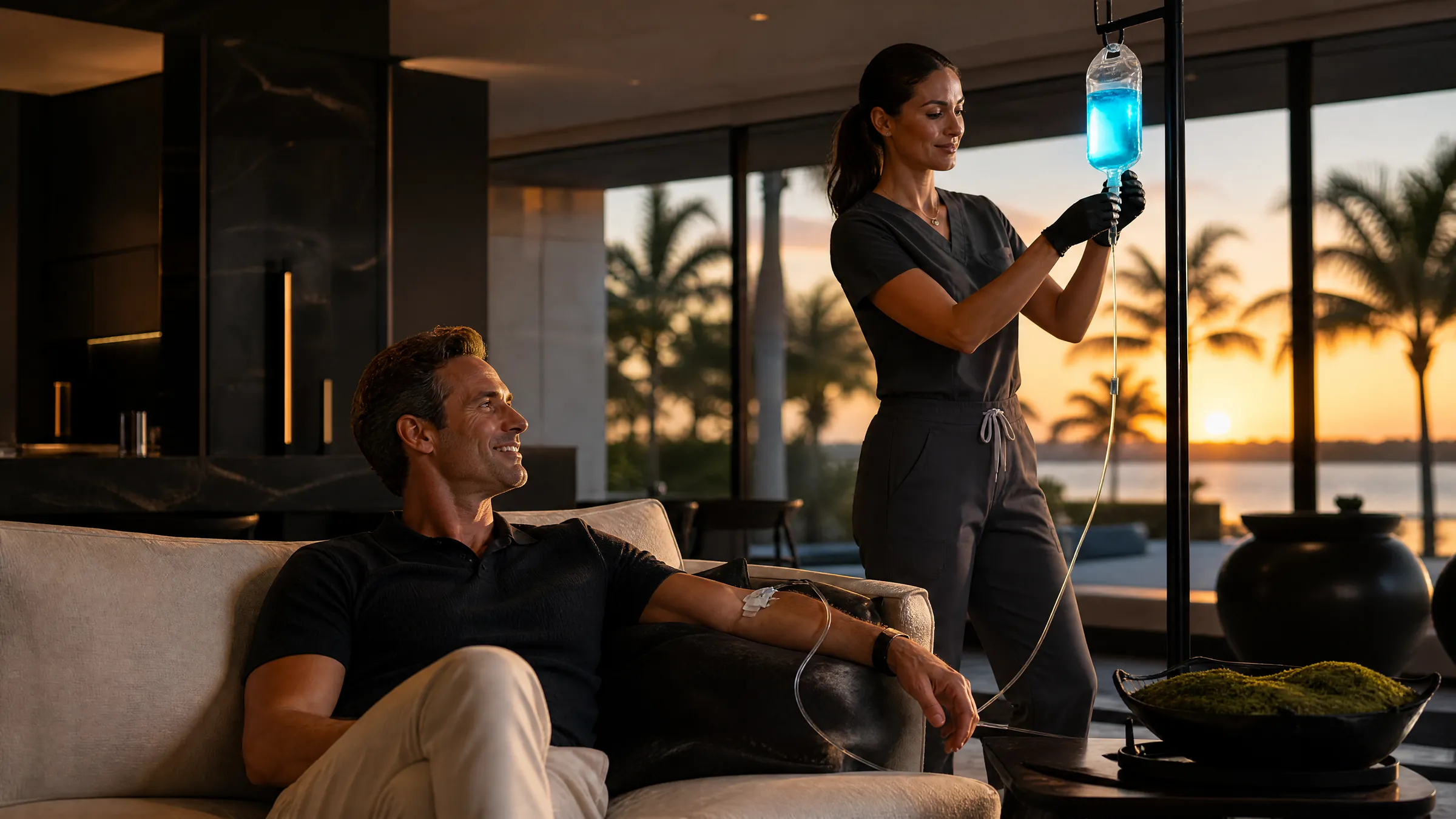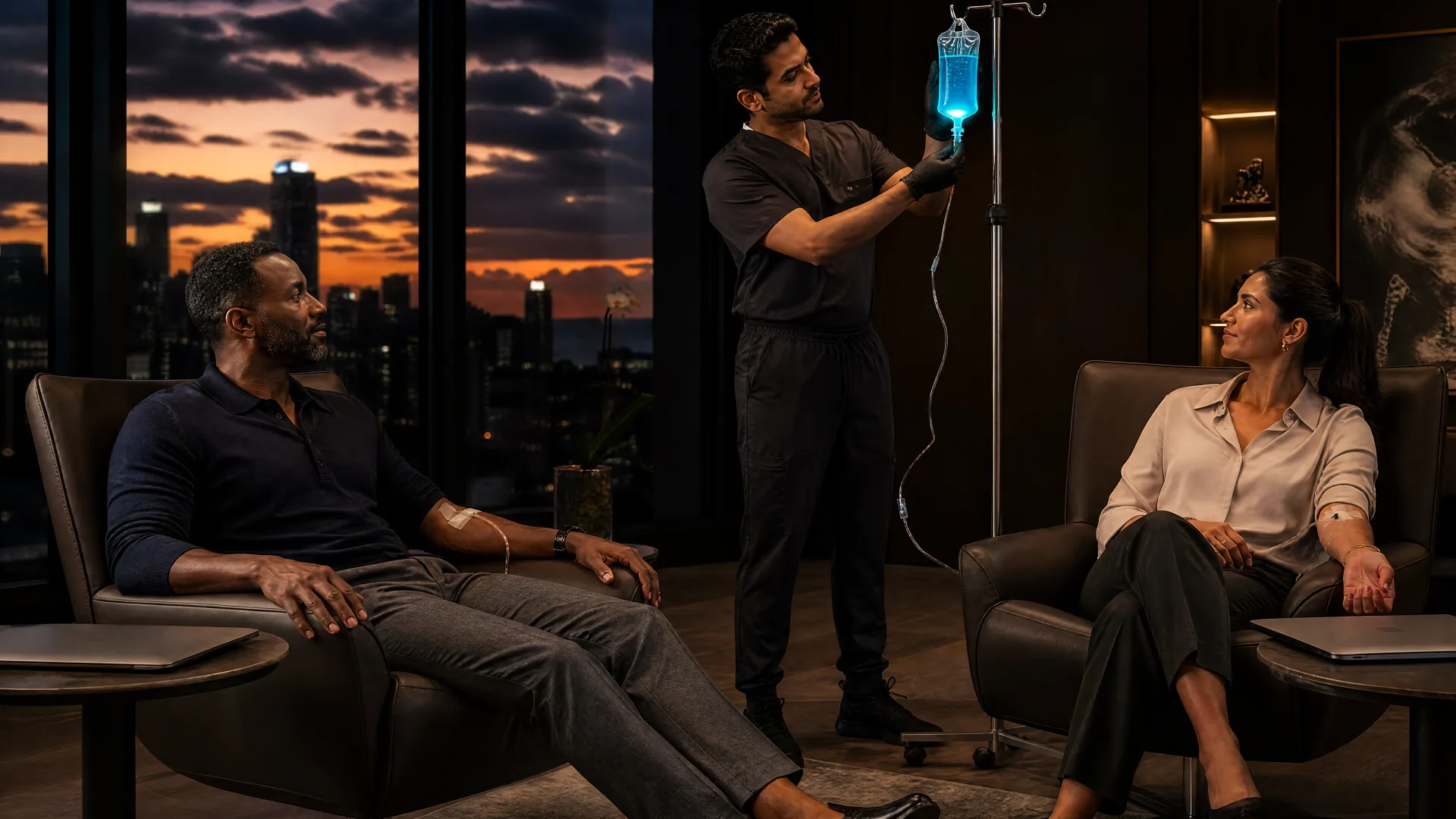
2:35 PM, a corner office in West Palm. A CEO we'll call Marcus, 51 — 140 employees, three board members in his texts, a company he built from a garage in Boca — is staring at an acquisition memo he has now read four times without absorbing. This morning at 7, he'd have gutted it in ten minutes. He checks his dashboards, out of habit: cash position to the dollar. Pipeline to the deal. Churn to the decimal. And the resource making the actual decision about this actual memo — his own cognitive energy — tracked nowhere, by no one, on vibes. His COO poked her head in an hour ago and diagnosed him in four words: "You look like Thursday." It's Tuesday.
The instrument panel with one gauge missing
Here's the executive paradox this article exists to name: the job is decisions, and decision quality is a physiological output — yet it's the one input no dashboard tracks. Decision fatigue is measured science: judgment degrades across a day of accumulated choices, later calls trending impulsive or defaulting to status-quo avoidance. The 2:35 PM Marcus reading that memo is running a measurably different brain than the 7 AM one — the same cognitive math the trial bar and the trading desks face, applied to the corner office. And the compounding version has a name and a well-worn path: the executive burnout arc, which never announces itself because the person whose job is noticing things is the person too depleted to notice.
You'd fire a CFO who ran cash on vibes. The CEO's energy is the company's most leveraged asset, and it's run on exactly that.
The calendar is the lab report
The diagnostic that costs nothing: read a month of your own calendar as a physiologist. Where do meals actually appear — or don't? How many days open before 6 and close after 9? Where's the water, the movement, the white space? The calendar is the most honest lab report an executive owns: it shows precisely what the body is being asked to fund, quarter after quarter. Marcus's read: eleven working dinners, four skipped lunches visible as back-to-backs, movement zero, and a 5:15 AM airport pattern that explains more about the memo than the memo does. The normal-labs executive almost always has an abnormal calendar.
The operating system
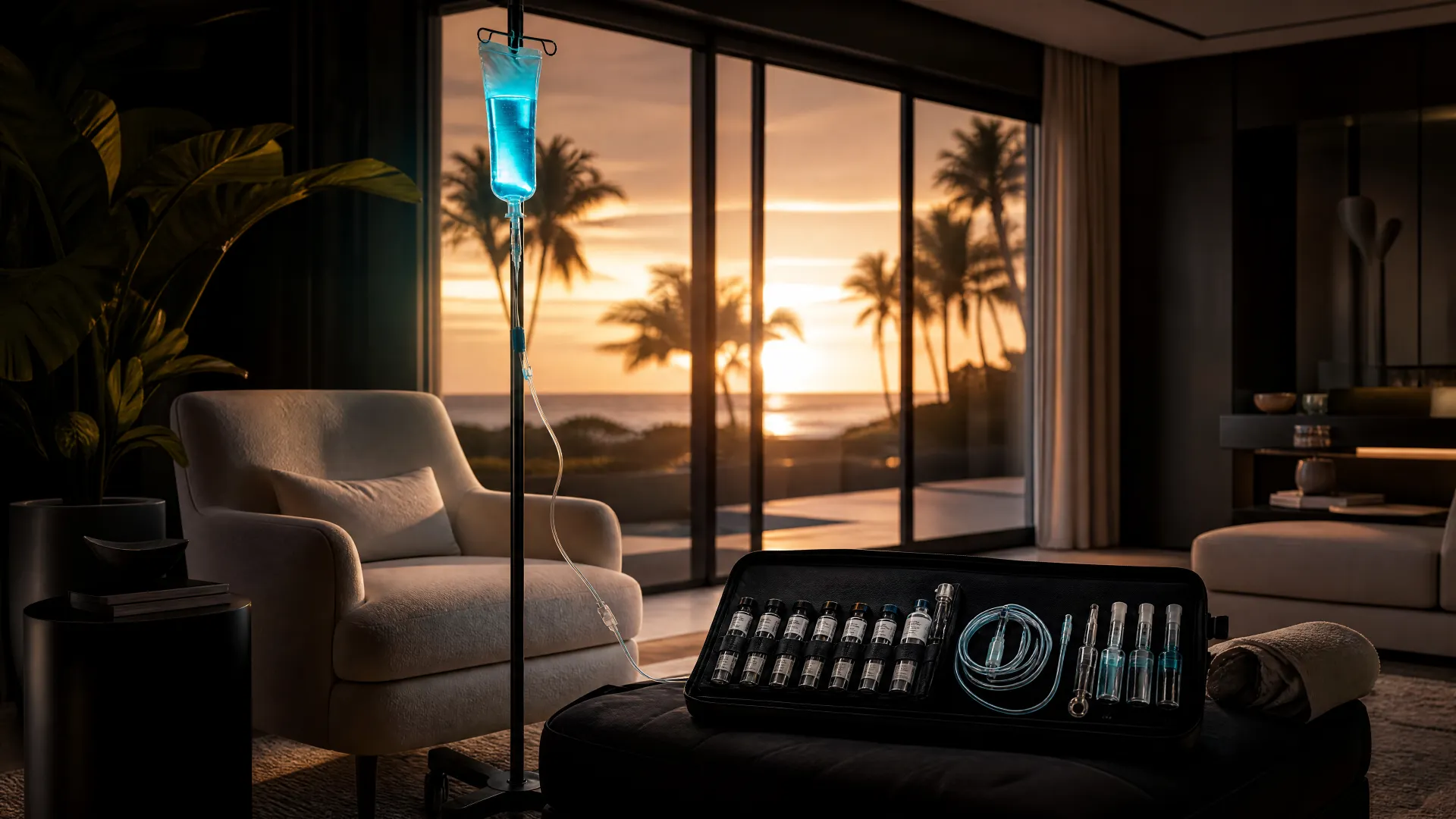
The durable version, assembled from the executives still sharp at 60: sequence decisions to energy — the hardest calls live in the morning window, never stacked, and the afternoon holds the reviews, not the reckonings; sleep reclassified as strategy — the research on six-hour judgment reads like a risk disclosure, and the board would demand no less diligence for any other asset this leveraged; movement scheduled like a board meeting, because unscheduled movement is theoretical movement; and recovery as standing infrastructure — which is where the county's corner offices have quietly standardized on the pattern: a monthly Surge session (NAD⁺ and the full panel, fitting the 50s energy curve) as the maintenance contract, with targeted support around travel and crunch weeks. The engine is sleep, food, movement. The contract keeps the engine funded.
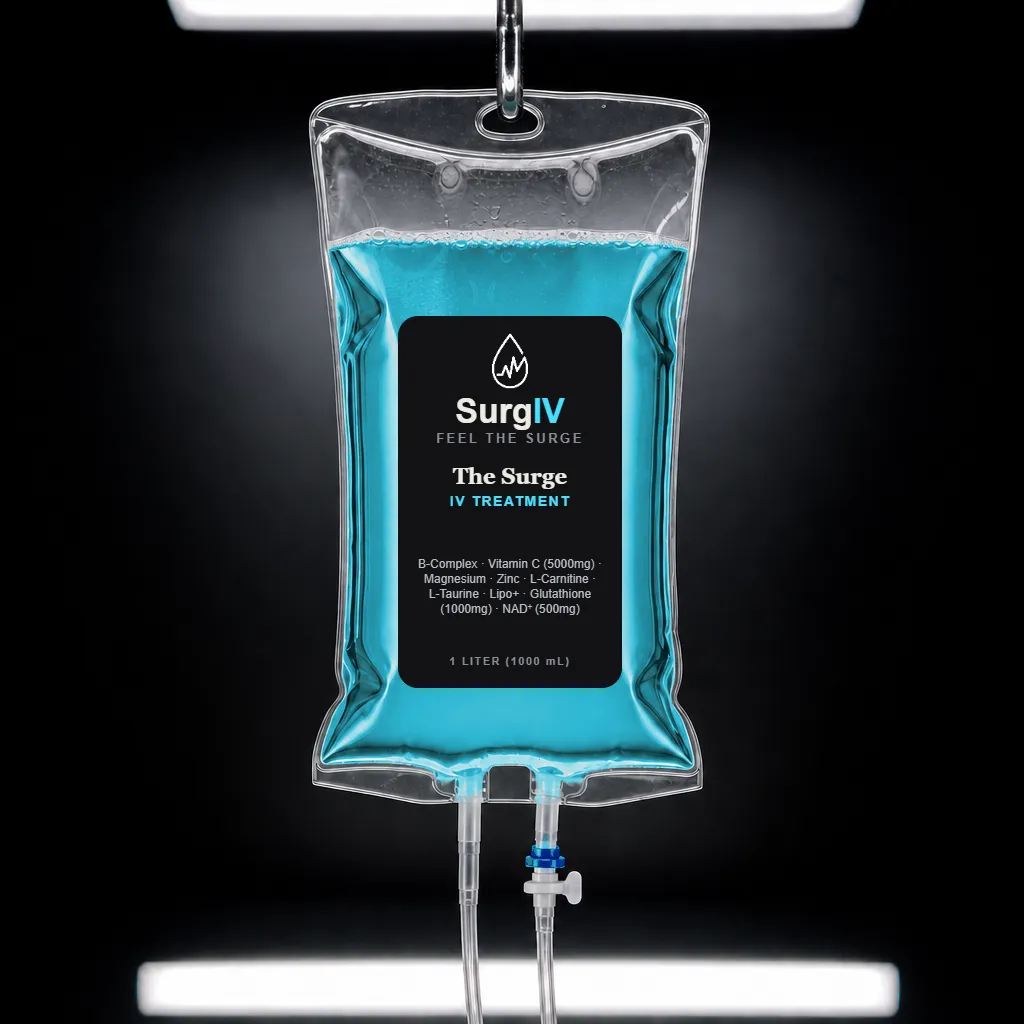
The executive standing order
The Surge $899
NAD⁺ and the full panel — infrastructure for the calendar that never lightens.
IV Bag: B-Complex · Vitamin C (5000mg) · Zinc · Magnesium · L-Carnitine · L-Taurine · Lipo+ + more
Marcus, gauge installed
The restructure took one quarter: hard calls moved to 8–11 AM, dinners capped at six monthly, Tuesday/Friday training locked in the calendar under "BOARD — DO NOT MOVE" (technically true, he argues), monthly Surge standing. The acquisition memo got re-read on a Thursday at 7:40 AM and gutted in nine minutes. His new line, delivered at an offsite to eighty founders: "I track seventeen metrics on my company and tracked zero on the person running it. Fix that ratio. It's the highest-leverage audit you'll ever run."
This article is for general education and is not medical advice. IV therapy at SurgIV is administered by registered nurses under physician-written protocols, with a health screening before your first visit. Talk to your doctor about what is right for you.