8:45 PM, a kitchen in Palm Beach Gardens, Wednesday of a brutal fortnight. A man we'll call Curt, 44, stands in front of the open fridge not hungry, not full, not sick, not well. Throat: not sore, exactly — aware of itself. Body: not aching — heavy. Head: not foggy — dimmed. His wife, clocking the fridge-stare: "You getting sick?" Curt, honestly: "I don't know. I'm... adjacent to sick. I'm in the parking lot of sick." He is. And the next 72 hours decide whether he goes inside.
What the parking lot actually is
"Run down" has real physiology: it's the reserves-depleted state — accumulated sleep debt, sustained stress hormones, thinned micronutrient stores — where the systems that defend and energize you are running a skeleton crew. Nothing has infected Curt yet. But the science on what happens next is unsentimental: in the classic exposure studies, short sleepers caught colds at several times the rate of rested ones after identical virus exposure, and chronic stress chemistry measurably suppresses immune response. The gray zone isn't a mood. It's the window before the infection finds you — the coin standing on its edge, with the next three days' choices leaning on it.
You don't catch a cold at the moment of exposure. You catch it at the moment your defenses can't afford the fight. "Run down" is the ledger announcing you can't afford it.
The 72-hour tip-back
The protocol is aggressive ordinariness: sleep outranks everything social for three nights — this is the single heaviest thumb on the coin; hydration with electrolytes, because depletion and dehydration travel together and every defense runs in fluid; protein-forward meals (the immune system builds its weapons from amino acids); alcohol at zero — it taxes sleep architecture and immunity simultaneously, the one indulgence that pushes the coin the wrong way twice; gentle movement only — the week to walk, not to PR; and the micronutrient restock — vitamin C, zinc, D — the accounts immune function actually draws on, delivered by plate, pill, or — when the fortnight has been Curt-grade and the window is now — the direct route, reinforcements landing inside the exact 72 hours they matter.
The two boundaries
Honesty at both edges: this protocol tips coins; it doesn't perform miracles — if the virus already boarded, you'll get sick anyway, just likely shorter and shallower for having funded the fight (then the comeback guide takes over). And run-down that persists — weeks of rest without restoration, or company like fever, night sweats, weight loss, swollen nodes — is physician territory, because chronic unexplained fatigue has findable causes and deserves the finding.
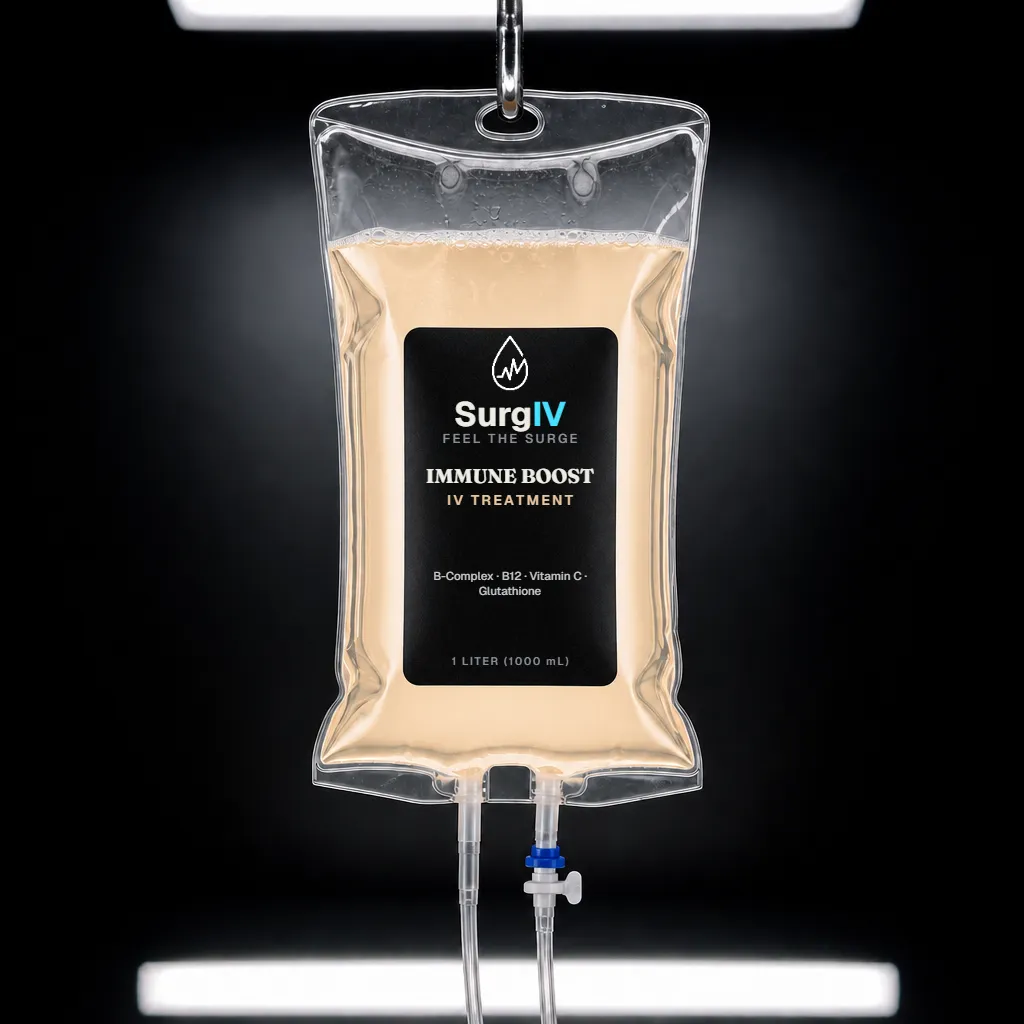
Tip the balance back
Immune Boost $299
Fluids, vitamin C, zinc — reinforcements for the exact 72 hours they matter.
B-Complex · B12 · Vitamin C · Glutathione
Curt, out of the parking lot
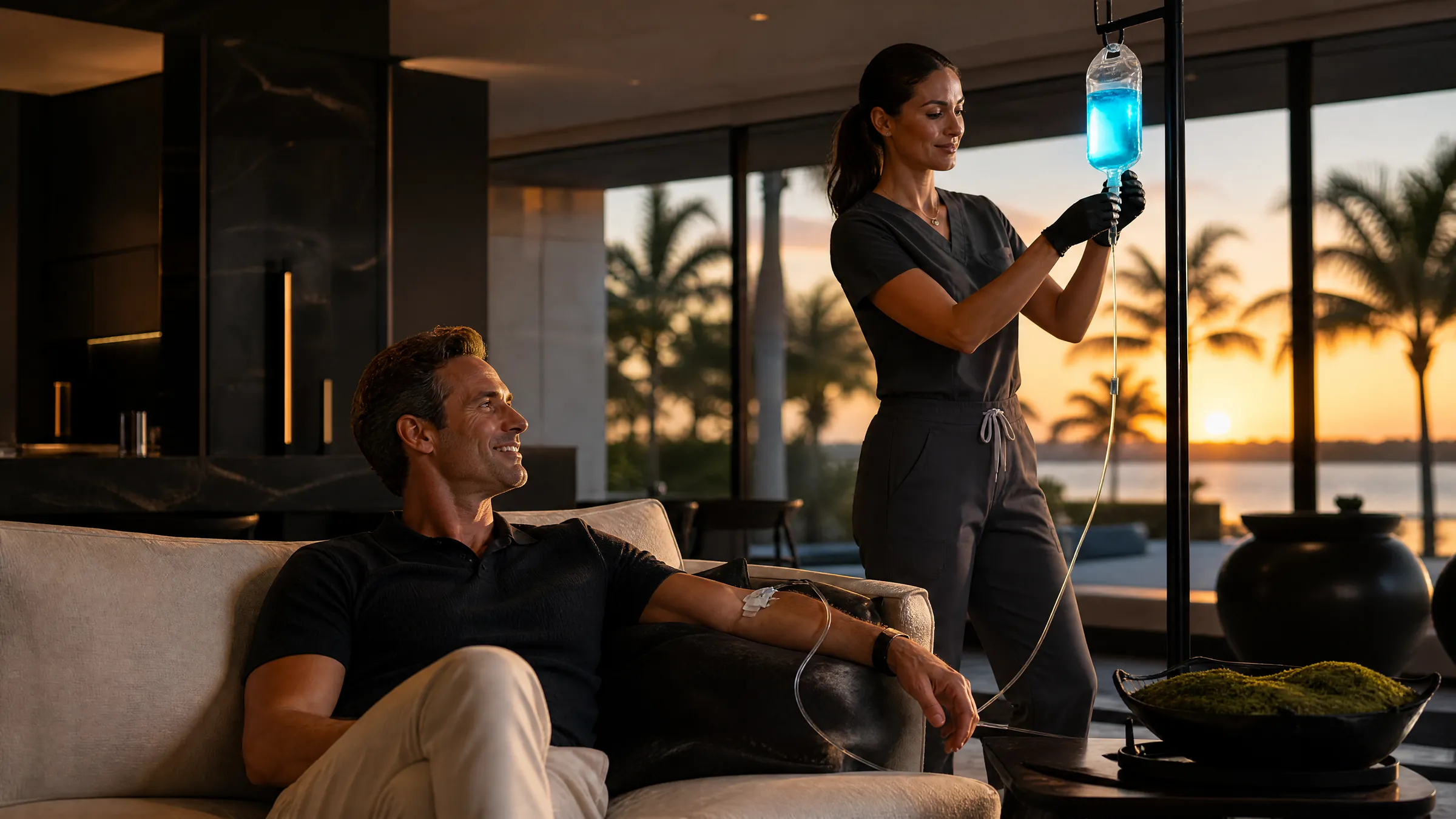
He ran the 72: three nine-hour nights (declined a poker game — reported as "harder than the flu would've been"), the zero-alcohol rule, a Thursday drip while working from the couch. Saturday morning: throat unremarkable, dimmer switch back up, coin landed well-side. His summary, delivered at the poker game he attended one week late: "I was in the parking lot of sick and I drove away. Gentlemen, that's the whole trick — you leave BEFORE they validate your ticket."
This article is for general education and is not medical advice. IV therapy at SurgIV is administered by registered nurses under physician-written protocols, with a health screening before your first visit. Talk to your doctor about what is right for you.